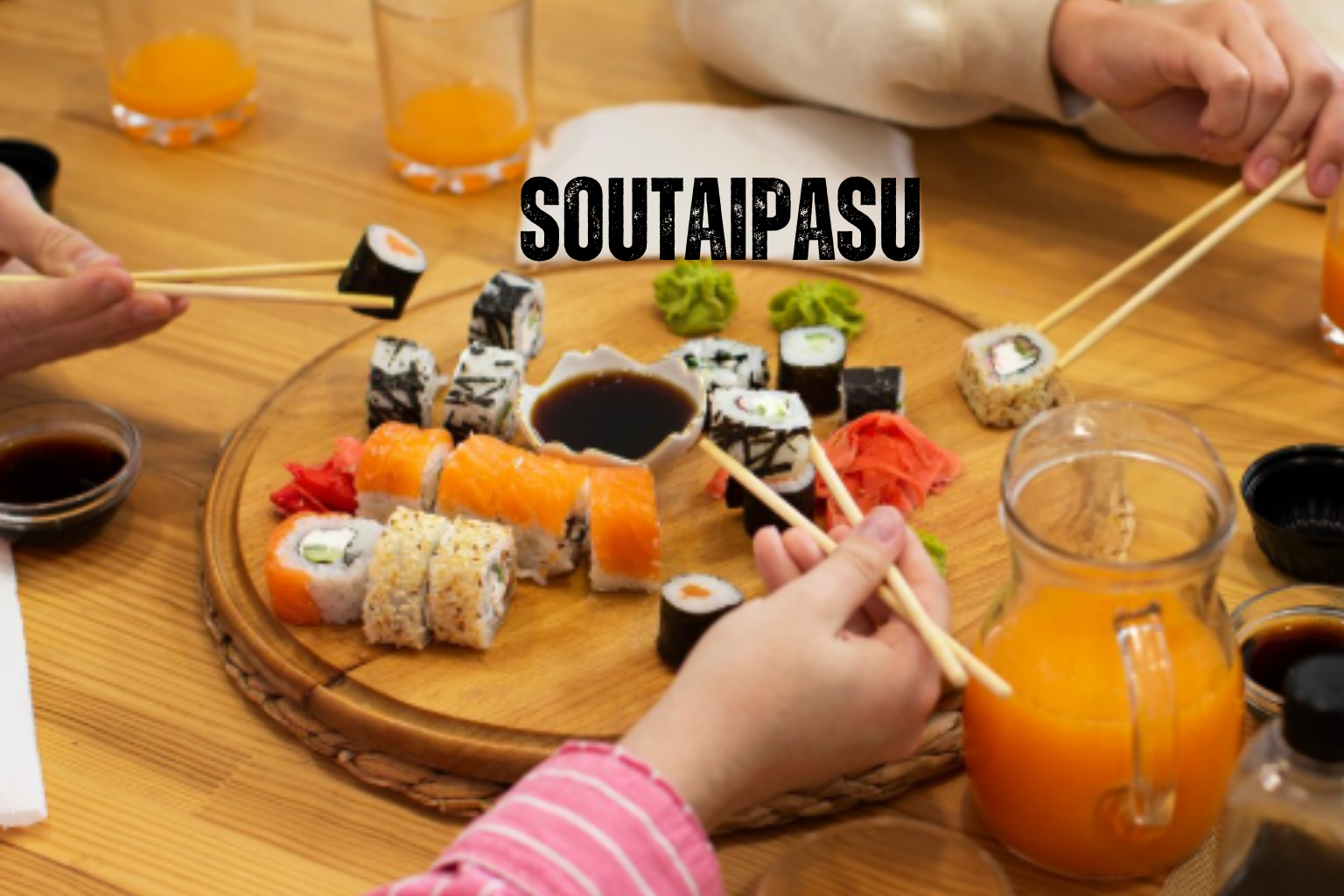
Japan’s cuisine is widely celebrated for its meticulous balance of flavor, presentation, and cultural meaning. Among its many culinary treasures lies Soutaipasu, a concept that embodies the harmony between regional Japanese dishes, local traditions, and seasonal ingredients. While often misunderstood as a single dish, Soutaipasu is much more than that—it is a philosophy of balance and regional identity in Japanese cuisine.
From the snowy landscapes of Hokkaido to the bustling streets of Tokyo, Soutaipasu reflects Japan’s commitment to culinary craftsmanship, cultural storytelling, and sustainable practices. In this article, we will explore the meaning, history, regional variations, cultural significance, health benefits, and even how to experience or prepare Soutaipasu today.
What Is Soutaipasu?
Soutaipasu is often described as the art of balance in Japanese regional cuisine. Unlike Washoku, which refers to traditional Japanese food in a general sense, Soutaipasu focuses on regional diversity and harmony. It is a living philosophy that ensures every dish respects the season, local ingredients, and cultural context.
- Not just a dish: Many people mistake Soutaipasu for a single recipe, but it actually represents the broader concept of balance in flavor, seasonality, and cultural tradition.
- Connection to nature: It emphasizes sustainable sourcing and using ingredients that reflect the natural rhythm of each region.
- Every region tells a story: Whether in Tokyo, Kyoto, or Okinawa, every area’s cuisine contributes to the collective tapestry of Soutaipasu.
Meaning and Etymology of Soutaipasu
The word Soutaipasu derives from Japanese roots:
- “Sou” – Harmony
- “Tai” – Balance
- “Pasu” – Conceptual extension, representing integration
Together, the term reflects a culinary philosophy of balance and unity, showing respect for nature, culture, and history. In practice, this means that each dish considers taste, appearance, nutritional balance, and cultural context, resulting in a cuisine that nourishes both body and soul.
ALSO READ: Calamariere: The New Culinary Word Redefining Squid Culture
History and Origin of Soutaipasu
Soutaipasu in Ancient and Pre-Edo Japan
Long before Japan became a unified nation, local communities developed distinct culinary identities based on available ingredients and climate. Seafood in Hokkaido, rice terraces in Niigata, and tropical fruits in Okinawa shaped early regional flavors.
Role of the Edo Period in Regional Food Identity
During the Edo period (1603–1868), Japan saw increased regional trade and travel, which spread culinary techniques across the country. Regional chefs developed unique dishes while respecting local seasonality and balance, laying the foundation for Soutaipasu.
Meiji Restoration and Culinary Evolution
The Meiji era (1868–1912) introduced Western ingredients like breaded cutlets, curry, and oils. Japanese chefs adapted these innovations within local techniques, evolving Soutaipasu into a fusion of tradition and modernity that remains today.
Cultural Philosophy Behind Soutaipasu
Soutaipasu is more than food—it is philosophy in action:
- Balance in taste: Sweet, salty, sour, bitter, and umami are considered in every dish.
- Seasonal harmony: Ingredients are chosen according to the shun (seasonal) principle.
- Respect for nature: Waste is minimized, and local produce is prioritized.
- Ritual and art: Meal preparation is a reflection of mindfulness and respect, influenced by Shinto and Buddhist principles.
In essence, Soutaipasu teaches that food should be both nourishing and meaningful, reflecting cultural values in every bite.
Regional Variations of Soutaipasu Across Japan
Japan’s diverse geography shapes regional flavors, textures, and presentation styles.
Northern Japan (Hokkaido) – Climate-Driven Cuisine
- Cold climate and abundant seafood lead to rich broths and hearty stews.
- Popular ingredients: Crab, salmon, potatoes, dairy products.
- Signature dishes: Soup curry, Ishikari nabe (salmon hot pot).
Central Japan – Kyoto, Osaka, and Traditional Refinement
- Kyoto emphasizes kaiseki dining with delicate flavors and artful presentation.
- Osaka is known for street food culture: takoyaki (octopus balls) and okonomiyaki (savory pancakes).
- Cuisine reflects subtle sweetness and visual balance, core principles of Soutaipasu.
Eastern Japan (Tokyo & Kanto) – Bold Urban Flavors
- Tokyo cuisine favors stronger, saltier tastes.
- Ingredients: Dark soy sauce, seafood, fresh vegetables.
- Popular dishes: Sushi, ramen, tempura, reflecting a dynamic urban palate.
Southern Japan (Okinawa) – Tropical and Herbal Influences
- Tropical fruits, herbs, and pork define the cuisine.
- Known for longevity-promoting ingredients like goya (bitter melon).
- Dishes: Okinawa soba, rafute (braised pork belly), tropical salads.
Kansai vs Kanto – Flavor Differences Explained
- Kansai (Osaka/Kyoto): Light soy sauce, subtle sweetness, artistic plating.
- Kanto (Tokyo): Dark soy sauce, stronger flavors, heartier meals.
- These differences reflect regional culture, climate, and historical trade routes.
The contrast exemplifies Soutaipasu’s focus on local identity and balance rather than uniformity.
Seasonal Ingredients and Local Produce (Shun Concept)
The Japanese principle of shun emphasizes eating ingredients at their peak freshness.
- Spring: Bamboo shoots, cherry blossoms, asparagus
- Summer: Eggplants, tomatoes, summer vegetables
- Autumn: Chestnuts, mushrooms, persimmons
- Winter: Root vegetables, crab, citrus fruits
Regional sourcing ensures flavors are authentic, supporting farm-to-table sustainability.
Traditional Cooking Techniques Used in Soutaipasu
- Simmering: For broths and stews, allowing flavors to meld.
- Fermentation: Soy sauce, miso, and pickles enhance depth and umami.
- Steaming and grilling: Preserve natural flavors and textures.
- Artful plating: Food presentation is considered as important as taste, reflecting visual harmony.
What Makes Soutaipasu Unique Compared to Other Japanese Foods
| Feature | Soutaipasu | Washoku |
|---|---|---|
| Focus | Regional identity & balance | Traditional Japanese cuisine |
| Philosophy | Harmony in taste, season, and culture | General traditional cooking |
| Variation | High (by region & season) | Medium (nationally recognized dishes) |
| Modern Adaptation | Fusion with global techniques | Mostly traditional recipes |
Soutaipasu emphasizes regional identity and balance, making it a living, evolving culinary philosophy.
Health Benefits of Soutaipasu
- Nutrient-dense: Fresh vegetables and lean proteins provide vitamins, minerals, and fiber.
- Low in unnecessary carbs/fats: Balanced for modern dietary needs.
- Digestive aid: Herbs and fermented ingredients promote gut health.
- Anti-inflammatory properties: Ingredients like ginger, garlic, and certain herbs benefit overall wellness.
- Studies suggest that traditional Japanese meals, which align with Soutaipasu principles, contribute to longevity and reduced cardiovascular risk.
Soutaipasu in Japanese Festivals and Celebrations
- Sapporo Snow Festival: Hokkaido winter dishes highlight hearty regional flavors.
- Tokyo Ramen Show: Regional noodle styles and modern innovations.
- Cultural significance: Meals are communal and represent unity, hospitality, and tradition.
Street Food, Markets, and Local Experiences
Nishiki Market (Kyoto)
- Known as the “Kitchen of Kyoto,” offering seasonal ingredients and street snacks.
Kuromon Market (Osaka)
- Showcases seafood, takoyaki, and local specialties, allowing visitors to experience authentic Soutaipasu in action.
Regional street food culture
- Skewered yakitori, handmade mochi, and seafood stalls are central to local culinary identity.
Soutaipasu and Japanese Culinary Tourism
Japan has become a food tourism hotspot, and Soutaipasu plays a key role:
- Cool Japan campaign promotes authentic regional cuisine to international visitors.
- Culinary pilgrimages allow tourists to explore hidden gems and markets.
- Food experiences combine gastronomy with cultural storytelling, enhancing Japan’s global culinary reputation.
Modern Adaptations and Global Influence
- Michelin-starred reinterpretations: Chefs use local ingredients in fusion menus.
- Fusion cuisine: Kyoto-style miso in French sauces, Tokyo sushi with European fish varieties.
- Global chains: Restaurants like Sukiya export regional comfort foods worldwide.
- Modern adaptations respect tradition while embracing innovation, keeping Soutaipasu relevant globally.
How to Make Soutaipasu at Home
Ingredients (example for a traditional sweet version):
- Rice flour
- Coconut milk
- Sugar
- Sweetened coconut flakes (filling)
Method:
- Mix rice flour and water to form smooth dough.
- Prepare the filling by combining sweetened coconut flakes with a pinch of salt.
- Roll small dough portions, add filling, and seal.
- Steam until glossy.
- Serve warm with coconut sauce.
Tip: Adjust flavors according to regional inspiration to honor Soutaipasu principles.
Best Places to Experience Authentic Soutaipasu
- Local markets: Nishiki (Kyoto), Kuromon (Osaka)
- Food festivals: Tokyo Ramen Show, Sapporo Crab Festival
- Regional restaurants and inns (ryokan): Kaiseki experiences in Kyoto, seafood in Hokkaido
- Home-style dining experiences: Cultural immersion with local families
The Future of Soutaipasu in Japan
- Sustainability: Farm-to-table practices, reducing food waste, reviving traditional recipes.
- Next-generation chefs: Preserving heritage while experimenting globally.
- Technology: AI-driven culinary analytics optimize flavor balance and seasonal planning.
- Expected to remain a dynamic, evolving philosophy connecting past, present, and future.
Common Myths and Misconceptions About Soutaipasu
- Not a single dish: It is a concept encompassing many regional dishes.
- Not purely ancient: Modern influences are part of its evolution.
- Not only for tourists: Japanese locals embrace it in daily life.
Final Thoughts – Why Soutaipasu Matters in Japanese Cuisine
Soutaipasu is more than just a culinary concept—it is Japan’s philosophy of harmony, balance, and regional pride. It combines history, culture, nutrition, and artistry into an experience that transcends ordinary dining.
Whether enjoyed at a street food stall in Osaka, a refined kaiseki meal in Kyoto, or recreated at home, Soutaipasu connects people to the essence of Japanese culture, celebrating the story behind every ingredient and every season.
For travelers, chefs, and food enthusiasts, Soutaipasu is a timeless invitation: to taste, to learn, and to experience harmony through food.
Frequently Asked Questions About Soutaipasu
Q: What does Soutaipasu mean in Japanese cuisine?
A: It represents harmony, regional balance, and seasonality in Japanese food.
Q: Where did Soutaipasu originate?
A: It evolved across multiple regions, gaining prominence during the Edo and Meiji periods.
Q: How is Soutaipasu different from Washoku?
A: Washoku refers to general traditional cuisine, while Soutaipasu emphasizes regional identity and balance.
Q: Which regions best represent Soutaipasu culture?
A: Kansai and Kanto showcase contrasting flavors and culinary philosophies.
Q: Is Soutaipasu gaining global attention?
A: Yes, chefs worldwide are incorporating its principles into fusion cuisine.
Q: How can travelers experience Soutaipasu firsthand?
A: Visit local markets, festivals, regional restaurants, or stay in cultural inns (ryokan).
ALSO READ: Joguart: Complete Guide to the Healthy Yogurt Drink, Benefits, Nutrition, Uses & Future Trends