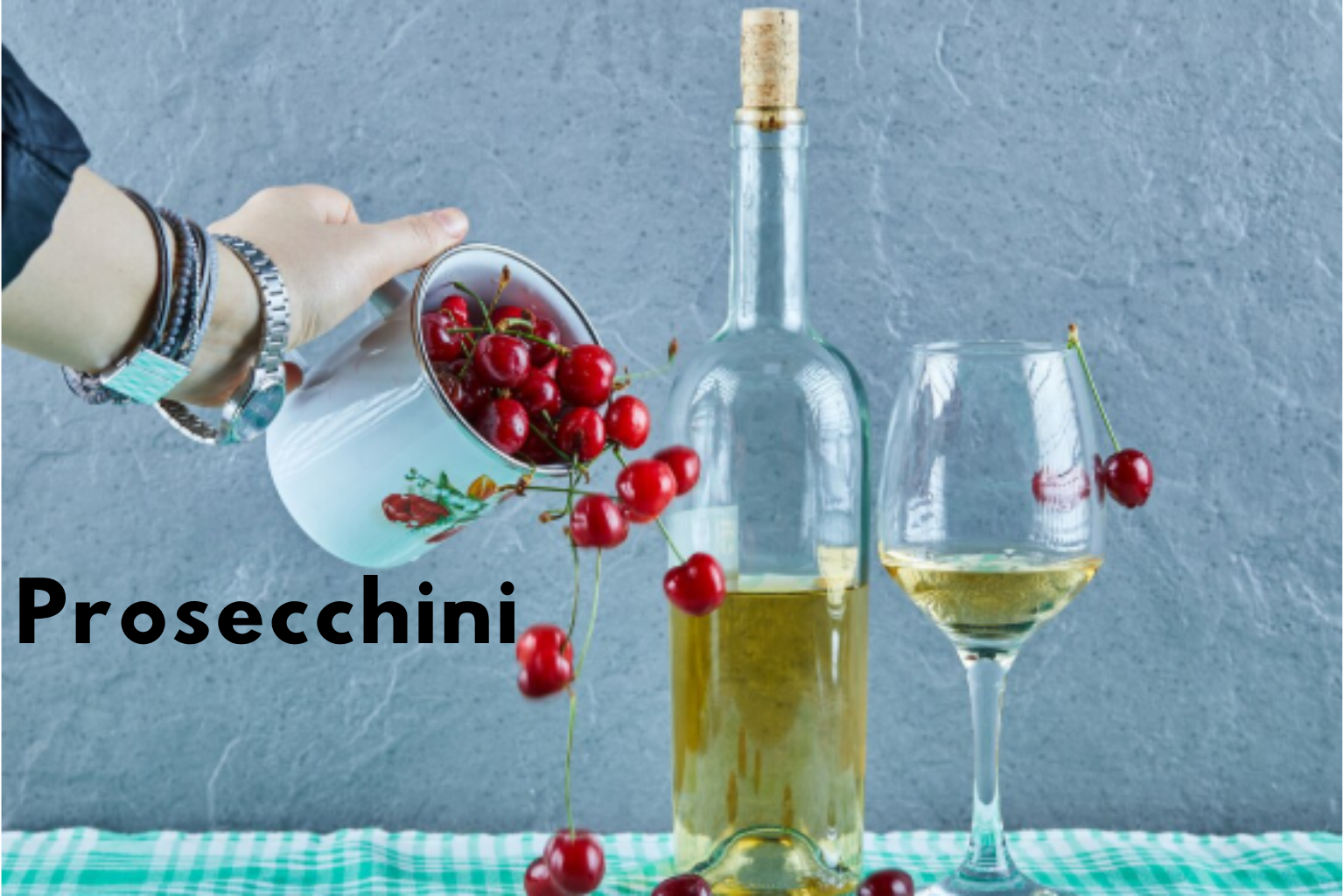
Prosecchini is more than a trendy name you’ve seen on Instagram — it’s a multifaceted cultural, culinary, and lifestyle phenomenon rooted in Italian tradition but exploding globally in today’s food and drink culture. Whether it’s mini Prosecco bottles perfect for modern celebrations, a delicate layered pastry, a light squash‑based dish, or even a traditional sausage, prosecchini inspires creativity, togetherness, and flavor.
In this detailed guide, we’ll explore every angle of prosecchini — from origins and meaning to how to enjoy it, food pairings, health benefits, cultural significance, and why it’s capturing the hearts of chefs, foodies, and lifestyle lovers around the world.
Introduction to Prosecchini
The word prosecchini merges “Prosecco” — Italy’s sparkling wine staple — with the affectionate diminutive suffix “‑chini,” suggesting something small, joyful, and cherished. While prosecchini is not (yet) a protected or standardized term in culinary lexicons, its use across food and drink circles online has made it nearly synonymous with small, delightful Italian‑inspired experiences.
Today, prosecchini appears in blogs, recipe videos, and brunch menus as everything from bite‑sized bubbly bottles to artisan pastries and veggie dishes that reflect Italian aesthetic and mindful living.
What Is Prosecchini? (Clear & Authoritative Definition)
The Meaning and Origin of the Word “Prosecchini”
Linguistically, prosecchini is a creative fusion. “Prosecco” refers to the famed Italian sparkling wine — made predominantly from the Glera grape — and “‑chini” is a diminutive suffix in Italian that denotes smallness or endearment.
So, prosecchini essentially suggests tiny, charming things associated with Prosecco or Italian culinary delight.
Today, the term has expanded to describe:
- Small Prosecco servings
- Mini‑inspired food items
- Lifestyle experiences centered on convivial moments
Is Prosecchini a Food, a Drink, or a Lifestyle Trend?
Unlike traditional culinary terms with fixed definitions, prosecchini reflects a modern trend. It does not describe one specific product — rather, it captures a category of experiences and food and drink items connected to the Italian love of sharing, savoring, and celebrating.
Across social media and digital platforms:
- Chefs use it to name dishes
- Bartenders use it to define cocktails
- Influencers use it to evoke emotions and aesthetics
- Consumers adopt it as a lifestyle hashtag
Whether paired with prosecco itself or merely inspired by the ethos behind it, prosecchini is now part of global food culture.
The Many Faces of Prosecchini
One of the reasons prosecchini is trending is because of its versatility. Here are the major interpretations:
Prosecchini as Mini Prosecco Bottles
Perhaps the most searchable meaning today is mini bottles of authentic Prosecco — typically between 187 ml and 200 ml — designed for convenience, freshness, and contemporary lifestyles.
These small bottles deliver the same Prosecco experience as a regular 750 ml bottle but with single‑serve practicality, perfect for picnics, events, airline services, weddings, and gift boxes.
Prosecchini as an Italian Pastry
In some culinary circles, prosecchini refers to layered Italian pastries made with delicate folds of dough and often rich fillings — from almond cream to citrus marmalade. These evoke regional Italian baking traditions and are often served during special occasions.
Prosecchini as a Zucchini‑Based Lifestyle Dish
A more health‑focused interpretation of prosecchini embraces light, zucchini‑based dishes — from spiralized noodles to grilled crostini. These emphasize seasonal vegetables, simplicity, and mindful eating — qualities celebrated in Mediterranean diets.
Prosecchini as a Traditional Italian Sausage
In rural Italian gastronomy, prosecchini may also refer to small, semi‑cured pork sausages, made with lightly seasoned meat and showcased in antipasto spreads alongside cheese and bread — an artisanal counterpart to more familiar salumi.
Prosecchini as Mini Prosecco Bottles (Complete Guide)
What Are Prosecchini Mini Bottles?
Mini Prosecco bottles — informally called prosecchini or proseccini — are compact, single‑serve bottles of Prosecco. These usually:
- Contain between 187–200 ml of wine
- Have a crown cap or small cork
- Maintain carbonation well since they’re opened and consumed quickly
- Are perfect for on‑the‑go enjoyment
Contrary to misconception, mini bottles contain genuine Prosecco wine made from the same grapes and production standards as larger bottles. Only the packaging is different, not the quality or winemaking process.
Prosecchini vs Regular Prosecco (Detailed Comparison)
| Feature | Prosecchini | Regular Prosecco |
|---|---|---|
| Bottle Size | 187–200 ml | 750 ml |
| Servings | Single | Multiple (4–5) |
| Closure | Crown cap / mini cork | Cork |
| Freshness After Opening | Optimal | Can lose fizz if not consumed quickly |
| Best Use | Solo, events, travel | Meals, celebrations |
| Portability | High | Moderate |
This makes mini bottles ideal for individual enjoyment without opening a full bottle — especially useful in informal or social settings where leftover wine could go flat.
How Prosecchini (Prosecco) Is Made
While prosecchini itself isn’t a regulated wine category, the Prosecco inside those bottles is governed by strict Italian regulations.
Production & Grapes
Prosecco must be made primarily from the Glera grape, native to northern Italy. It is produced mainly in the Veneto and Friuli‑Venezia Giulia regions. These regions have specialized vineyard conditions that favor sparkling wine production.
Charmat Method
Most Prosecco — including the wine found in mini bottles — is produced using the Charmat method, where secondary fermentation occurs in stainless steel tanks rather than individual bottles. This preserves fresh fruit flavors and lively bubbles, which are key characteristics of sparkling wine.
Prosecco Production Facts
- Prosecco DOC production reached a record 660 million bottles in 2024, an increase of about 7% compared to 2023.
- Prosecco DOC accounts for nearly 25% of all Italian PDO wine production, with an estimated market value of around €3.6 billion.
- Exports continue to grow, especially in the U.S., which imported nearly 9.8 million 9‑liter cases of Prosecco in one recent year — a 17% increase from the previous period.
These figures reflect why mini Prosecco bottles have such global appeal — they tap into a booming sparkling wine category.
Taste Profile and Sweetness Levels of Prosecchini
The taste of Prosecco — and therefore the mini bottles — largely depends on the sweetness level and style of the wine inside.
Common Flavor Notes
Prosecco often shows:
- Aromas of green apple and pear
- Citrus zest
- Light floral tones
- A fresh, crisp body
These characteristics make it well suited to both aperitifs and light meals.
Sweetness Scales
- Brut – Dry and crisp
- Extra Dry – Balanced, slightly sweet
- Dry – Noticeably sweeter
Mini Prosecco bottles can come in any of these styles, allowing drinkers to match their personal palate preferences.
How to Serve Prosecchini Properly
Mini Prosecco deserves the same attention as a full bottle:
Serving Temperature
Chill mini bottles to 6–8°C (43–46°F) to enhance freshness and balance carbonation. Serving them at the right temperature helps bring out aromatic complexity and prevents excessive foam upon opening.
Glassware
While some drink directly from the mini bottle for convenience, serving in a flute or white wine glass allows aromas to open and elevates the experience.
Prosecchini Food Pairing Ideas
Mini Prosecco bottles pair wonderfully with light foods:
Cheese & Appetizers
- Soft cheeses like mozzarella or burrata
- Prosciutto and melon
- Crispy bruschetta
Seafood & Light Meals
- Grilled shrimp
- Smoked salmon
- Lemon and herb pasta
Fruits & Desserts
- Fresh berries
- Almond pastries
- Citrus‑based sweets
The crisp acidity of Prosecco cuts through rich flavors while uplifting lighter options.
Prosecchini as an Italian Pastry
In some regions, prosecchini refers to layered pastries crafted with delicate dough and rich fillings such as almond cream, chocolate, or citrus marmalade. These pastries capture the joyful, celebratory essence of Italian baking — often served at weddings, holidays, and morning coffee rituals.
The technique involves repeated folds of butter and dough to create flaky layers that melt in the mouth, echoing the elegance of French puff pastry but with Italian flavor profiles.
Prosecchini as a Zucchini‑Based Lifestyle Dish
In a modern, wellness‑oriented culinary twist, prosecchini has been used to describe dishes featuring zucchini — often spiralized or grilled — paired with simple yet flavorful ingredients like olive oil, garlic, cherry tomatoes, and fresh herbs.
These dishes embody:
- Mediterranean diet principles
- Seasonal ingredients
- Light, visually appealing presentations
They’re particularly popular on social platforms like Instagram and TikTok, where “prosecchini moments” feature candlelit meals and mindful eating settings.
Prosecchini as a Traditional Italian Sausage
In Italy’s rural food culture, the term sometimes refers to small semi‑cured pork sausages. These are made from finely ground pork, light seasoning, and a short curing period — perfect for antipasti platters or rustic meals with bread and wine.
This interpretation reflects Italy’s long tradition of preserving meat and the deep connection between food, community, and family gatherings.
Health, Nutrition & Responsible Consumption
Portion Control Benefits
One practical advantage of mini Prosecco bottles is portion control. With a pre‑measured serving, drinkers can enjoy sparkling wine without overconsumption.
Moderate Alcohol Content
Prosecco generally has an alcohol content of 10.5–11.5% ABV, making it lighter compared to many other wines — ideal for responsible enjoyment.
Zucchini Variants
Zucchini‑based prosecchini dishes are:
- Low in calories
- High in fiber
- Rich in vitamins A and C
These options appeal to health‑conscious eaters without sacrificing flavor.
Prosecchini and Sustainability
Reduced Wine Waste
Single‑serve bottles reduce leftover wine waste — a growing concern in hospitality and home settings.
Local Sourcing
Italian versions often highlight seasonal, regional produce, aligning with sustainability and farm‑to‑table movements.
Packaging Trends
Many wine producers are experimenting with lighter glass and recyclable materials to reduce overall environmental impact.
Why Prosecchini Is So Popular Globally
Several factors fuel the rise of prosecchini:
Social Media & Aesthetics
The visual appeal of mini Prosecco bottles, beautiful plating, candlelit meals, and shared experiences makes prosecchini perfect content for lifestyle feeds.
Modern Lifestyles
Today’s consumers value:
- Convenience without compromise
- Portion‑controlled luxury
- Elegant simplicity
Mini Prosecco bottles and light dishes embody these preferences.
Events & Gifting
Mini bottles are increasingly used at:
- Weddings
- Business events
- Brunches
- Picnics
– Corporate gift baskets
Their practicality and elegance make them easy to distribute and enjoy.
How to Create the Perfect Prosecchini Experience at Home
To craft your own prosecchini moment:
- Set the Mood: Candles, soft music, warm lighting
- Choose a Theme: Rustic Italian dinner, garden brunch, or solo self‑care meal
- Select Pairings: Light appetizers, fresh salads, mini Prosecco bottles
- Presentation Matters: Use fresh flowers, elegant glassware, and thoughtful plating
- Intentional Eating: Slow down, enjoy conversation, savor each bite
This mindful approach transforms a meal into a memorable experience.
Emotional and Cultural Meaning of Prosecchini
More than food or drink, prosecchini captures:
- Tradition passed through generations
- Joyful gatherings
- Shared laughter and stories
- Culinary craftsmanship
- Moments of presence
It reflects the Italian philosophy of dolce vita — the sweet life — reminding us that food and drink are tools for connection.
Final Thoughts – Why Prosecchini Is More Than a Trend
Prosecchini blends authentic Italian heritage with modern lifestyle sensibilities. Whether it’s mini Prosecco bottles at a wedding, a layered pastry with espresso, grilled zucchini on a summer night, or a handcrafted sausage on a cheese board, prosecchini invites you to celebrate life with flavor, intention, and connection.
As the world continues to embrace flexible, joyful ways of enjoying food and drink, prosecchini stands as a delightful symbol of shared moments — one sparkle, one bite, and one story at a time.
FAQs About Prosecchini (Rich Snippet Optimized)
What exactly is Prosecchini?
Prosecchini is a broad term referring to Italian‑inspired mini Prosecco bottles, pastries, zucchini dishes, and even traditional sausages — unified by flavor, aesthetics, and a celebratory ethos.
Is Prosecchini the same as Prosecco?
No. Prosecco is an Italian sparkling wine, while prosecchini refers to experiences and products inspired by or related to this wine and Italian cuisine.
Is Prosecchini alcoholic?
Yes — when referring to mini Prosecco bottles, it is alcoholic (10.5–11.5% ABV). Other forms like pastries or veggie dishes are non‑alcoholic.
Is Prosecchini healthy?
Zucchini‑based prosecchini dishes are healthy and nutrient‑rich. Mini Prosecco bottles support portion control and responsible enjoyment.
Why is Prosecchini becoming so popular?
Prosecchini appeals because it combines convenience, aesthetics, tradition, and versatility — fitting modern lifestyles and social media cultures alike.
ALSO READ: Soutaipasu Explained: Meaning, Origin, Regional Japanese Cuisine & Cultural Significance