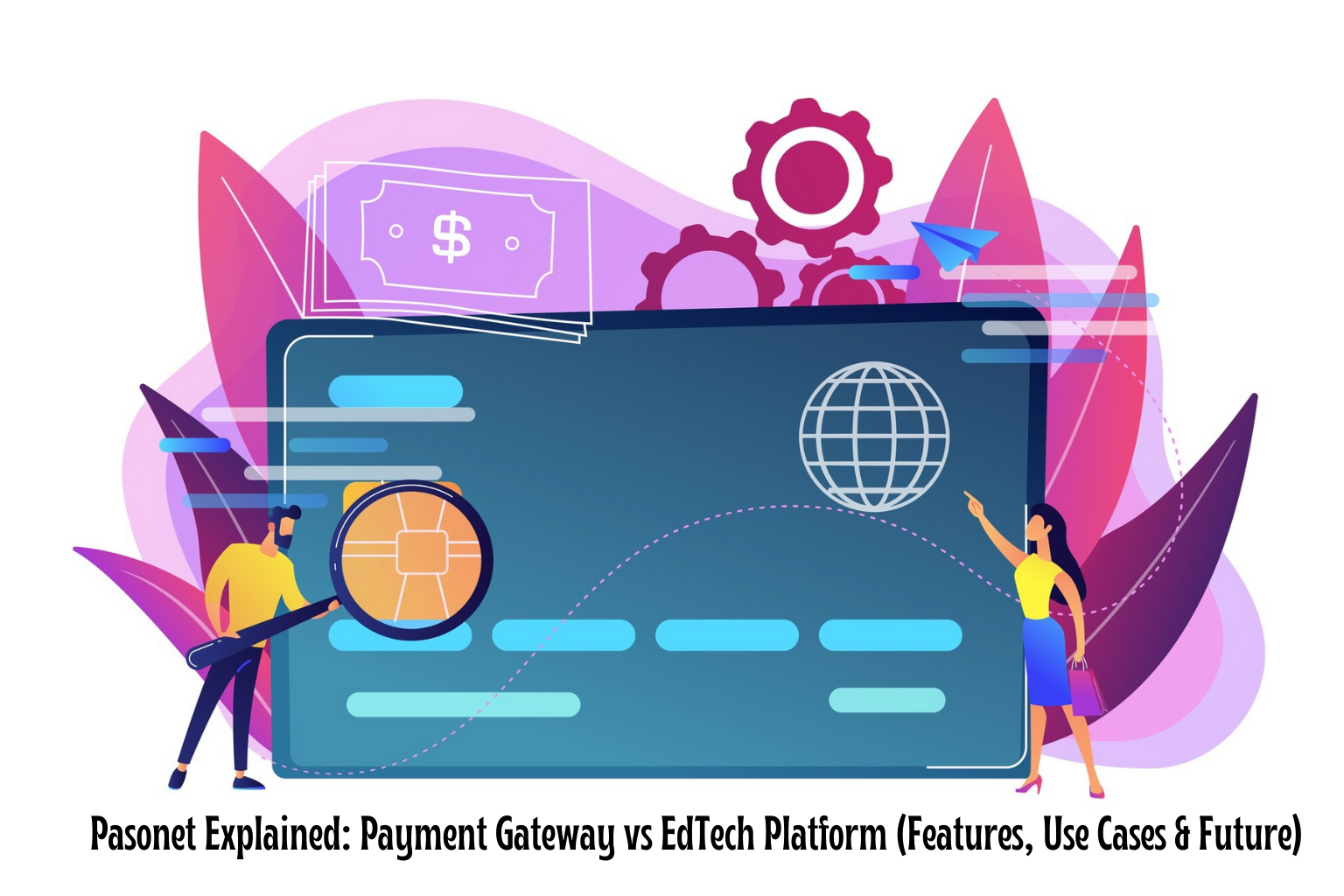
In a world rapidly shifting toward digital living — whether in finance or education — the term Pasonet has begun to surface with multiple meanings. Some sources describe Pasonet as an innovative payment gateway that simplifies online financial transactions, while others refer to it as a classroom management and EdTech platform used by schools, teachers, students, and parents. Additionally, the name has historical usage in digital access culture in some countries. This article explores all of these meanings, offering clarity, comparisons, use cases, and future potential for Pasonet in each context.
What Is Pasonet?
Why the Term “Pasonet” Has Multiple Meanings
The word Pasonet is not tied to one universal product or ecosystem. Rather, it appears in multiple digital contexts:
- As a digital payment gateway designed to process online financial transactions.
- As an EdTech platform for classroom management and school communication.
- Historically, in informal usage, it was associated with community internet access booths in the Philippines.
This varied usage highlights how digital terms can evolve in different regions and industries.
Overview of Pasonet in Fintech and Education
In its modern interpretations:
- Pasonet Payment Gateway refers to a secure online system for individuals and businesses to send/receive money and process transactions in real time through low-fee digital infrastructure.
- Pasonet EdTech Platform refers to school management software that supports learning, communication, administrative tasks, and teacher-parent engagement.
This article provides an in-depth look at both.
Pasonet as a Digital Payment Gateway
What Is Pasonet Payment Gateway?
The Pasonet payment system is often described as a comprehensive digital payment gateway — a platform that enables secure financial transactions over the internet for consumers and businesses. It’s designed to handle tasks such as payment collection, fund transfers, billing, and merchant integrations.
Unlike legacy banking systems that rely on slower intermediary paths, a modern payment gateway such as Pasonet is focused on real-time processing, simplicity, and enhanced user experience. It’s intended to be an efficient alternative to traditional payment processors like PayPal or Stripe, with tailored use in emerging markets.
Key Features of Pasonet Payment Platform
Advanced Security and Encryption
Security is central to digital payments. Pasonet is said to use robust protocols — such as SSL encryption and multi-factor authentication — ensuring that user data and transaction details remain private and protected from unauthorized access.
Real-Time Money Transfers
One of the most significant benefits is the ability to send and receive funds instantly, allowing individuals and businesses to manage cash flow swiftly without unnecessary delays.
Multi-Platform Accessibility
The gateway is designed to work across desktops, mobile devices, and integrated e-commerce platforms, providing a consistent experience regardless of how users access the system.
Seamless Business Integration
Through APIs and plugins, Pasonet can link with e-commerce websites, mobile apps, and SaaS tools. This makes it possible for online merchants to accept multiple payment methods — from credit/debit cards to digital wallets.
Competitive Transaction Fees
Compared to some global alternatives, Pasonet markets itself as a cost-effective solution with lower fees, appealing strongly to small businesses, freelancers, and early-stage startups.
How Pasonet Payment Gateway Works
Here’s a simplified flow for a typical transaction:
- Initiation: A user starts a payment via dashboard, app, or merchant website.
- Authentication: The system authenticates identity and authorizes the payment.
- Routing: The encrypted payment request is routed through secure financial networks.
- Processing: Funds are transferred from the payer’s source account and credited to the recipient.
- Confirmation: Both parties receive a confirmation receipt.
The entire process is automated and optimized for speed, transparency, and reliability.
Benefits of Using Pasonet for Individuals
- Convenience: Handle online payments, bill payments, and peer transfers from a central platform.
- Security: Enhanced privacy protections reduce personal risk.
- Speed: Instant confirmations and transfers accelerate workflows.
- Multi-Device Support: Users can access Pasonet from anywhere with internet access.
Benefits of Using Pasonet for Businesses
Global Reach
With support for multi-currency and cross-border processing capabilities, businesses can accept payments from around the world.
Scalability
Pasonet’s architecture is designed to handle high transaction volumes without losing performance — a key requirement for scaling e-commerce and subscription businesses.
Customization and Integration
APIs allow developers to embed the payment system into custom platforms, reducing friction and supporting tailored workflows.
Analytics & Reporting
Dashboards provide insights into transactions, refunds, chargebacks, and cash flow — crucial for strategic decision-making.
Use Cases of Pasonet in Fintech
- E-commerce Platforms: Enabling seamless checkout experiences for customers.
- Freelancers & Remote Workers: Offering instant payments from international clients.
- Subscription Services: Handling recurring billing efficiently.
- Utilities & Bill Payments: Centralizing multiple payees and services in one interface.
Pasonet vs Other Payment Gateways
While established players like PayPal, Stripe, and Square dominate global markets, Pasonet differentiates itself by focusing on emerging markets, localized support, and simplified fee structures.
Depending on regional banking regulations and developer ecosystems, Pasonet could offer lower entry barriers for smaller businesses wanting to accept online payments.
Pasonet as an EdTech Platform
What Is Pasonet in Education?
In the EdTech world, Pasonet refers to a learning management and school communication platform used primarily by Indian schools. The system connects teachers, students, and parents through a unified digital environment, simplifying classroom processes and improving engagement.
This interpretation of Pasonet enables administrators to manage daily operations, track student performance, and foster communication between stakeholders.
It’s worth noting that in this context, Pasonet may refer to a localized suite of tools — sometimes branded or marketed differently, but associated generally with school automation and digital learning solutions.
Core Features of Pasonet EdTech Platform
Classroom Management Tools
Teachers can monitor attendance, distribute assignments, and streamline lesson planning from a central dashboard.
Student Performance Tracking
Built-in analytics enable educators to evaluate academic progress, monitor grades, and identify learning gaps.
Parent-Teacher Communication
Real-time notifications, messaging channels, and grade updates help parents stay informed and engaged.
Resource Sharing
Learning materials — from documents to multimedia — can be uploaded and accessed by students anytime, supporting self-paced learning.
How Teachers Use Pasonet
Teachers benefit from features that reduce administrative workload and improve instructional efficiency:
- Automated attendance logging.
- Digital assignments and grading tools.
- Lesson planning and resource distribution.
- Classroom analytics and feedback systems.
These tools not only save time but improve data accuracy and classroom engagement at scale.
How Students Use Pasonet
For students, the platform offers:
- Easy access to assignments and resources.
- Personalized learning dashboards.
- Notifications on grades and feedback.
- Support for learning on mobile devices or low-connectivity environments when offline caching is available.
How Parents Benefit from Pasonet
Parents gain unprecedented transparency into their children’s academic life:
- Real-time performance reports.
- Attendance and timetable updates.
- Direct communication with educators.
This transparency boosts parental involvement, which numerous studies correlate with improved student outcomes.
Why Schools Choose Pasonet Over Other EdTech Tools
Many schools prefer Pasonet because of:
- Integrated communication and administrative tools.
- Parent engagement modules not available in systems like Google Classroom.
- ERP and SIS integration that supports school records management.
- Localization and language support for broader adoption.
Implementation, Pricing, and Onboarding
How to Get Started with Pasonet
Whether you’re integrating the payment gateway or school platform, onboarding typically involves:
- Registration and Setup
- API Integration
- User Credentialing (Students, Parents, Teachers)
- Training and Documentation
Pricing varies by use case.
Pasonet Pricing Models
- Payment Gateway: Often charged per transaction or via subscription tiers.
- EdTech Licensing: Schools may pay per student, per teacher, or per institution. Custom quotes are common due to varying requirements.
Security, Compliance, and Data Protection
Security Standards in Pasonet Payment Systems
Digital payment platforms require strict security standards, including:
- SSL encryption.
- Two-factor authentication.
- Regular audits and compliance monitoring.
These measures ensure users’ financial data remains private and secure.
Data Protection in Pasonet EdTech Platform
Protecting student and teacher data is critical. Platforms incorporate:
- Role-based access control
- Encryption for stored data
- Secure login systems
Compliance with local data protection regulations (e.g., India’s Digital Personal Data Protection Act) is essential for user trust.
Challenges and Limitations of Pasonet
Despite its potential, Pasonet can face challenges:
- Internet Dependence: Especially in rural areas with inconsistent connectivity.
- Adoption Barriers: Teachers and students may need training to adapt to digital systems.
- Competition: Payment gateways and EdTech tools face stiff global competition from established brands.
Future of Pasonet Across Industries
Future of Pasonet in Fintech
Emerging technologies like AI-powered fraud detection, blockchain settlements, and open banking integrations are likely future directions that platforms like Pasonet will explore.
Future of Pasonet in Education
Educational tech trends — such as personalized learning, predictive analytics, and gamified engagement — may shape the next iterations of the platform.
Should You Use Pasonet?
Who Should Choose Pasonet Payment Gateway?
- Small businesses seeking low-fee solutions.
- Freelancers needing fast global transfers.
- E-commerce platforms requiring secure integrations.
Which Schools Benefit Most from Pasonet?
- Institutions looking for integrated communication systems.
- Schools with limited tech infrastructure seeking scalable solutions.
- Organizations needing localized language and support.
Conclusion
Pasonet is a multifaceted term that spans digital payments, educational technology, and historical digital access culture. Understanding its different applications helps users and organizations make informed decisions on adoption, integration, and strategic implementation. Whether you’re a business owner evaluating payment systems or a school leader seeking classroom solutions, Pasonet’s diverse interpretations reflect the varied ways technology continues to shape modern life.
Frequently Asked Questions (FAQs)
What is Pasonet used for?
Pasonet might refer to a payment processing platform or an education management system, depending on context.
Is Pasonet safe and secure?
Modern iterations emphasize encryption and compliance with security standards.
Can businesses integrate Pasonet easily?
Yes — APIs and plugins support rapid integration into existing systems.
Is Pasonet suitable for small schools?
Yes — particularly if they value communication, resource sharing, and administrative efficiency.
ALSO READ: All About iloveloveloveebay.com: Your Ultimate Guide to eBay Deals, Tips, and Shopping Success