
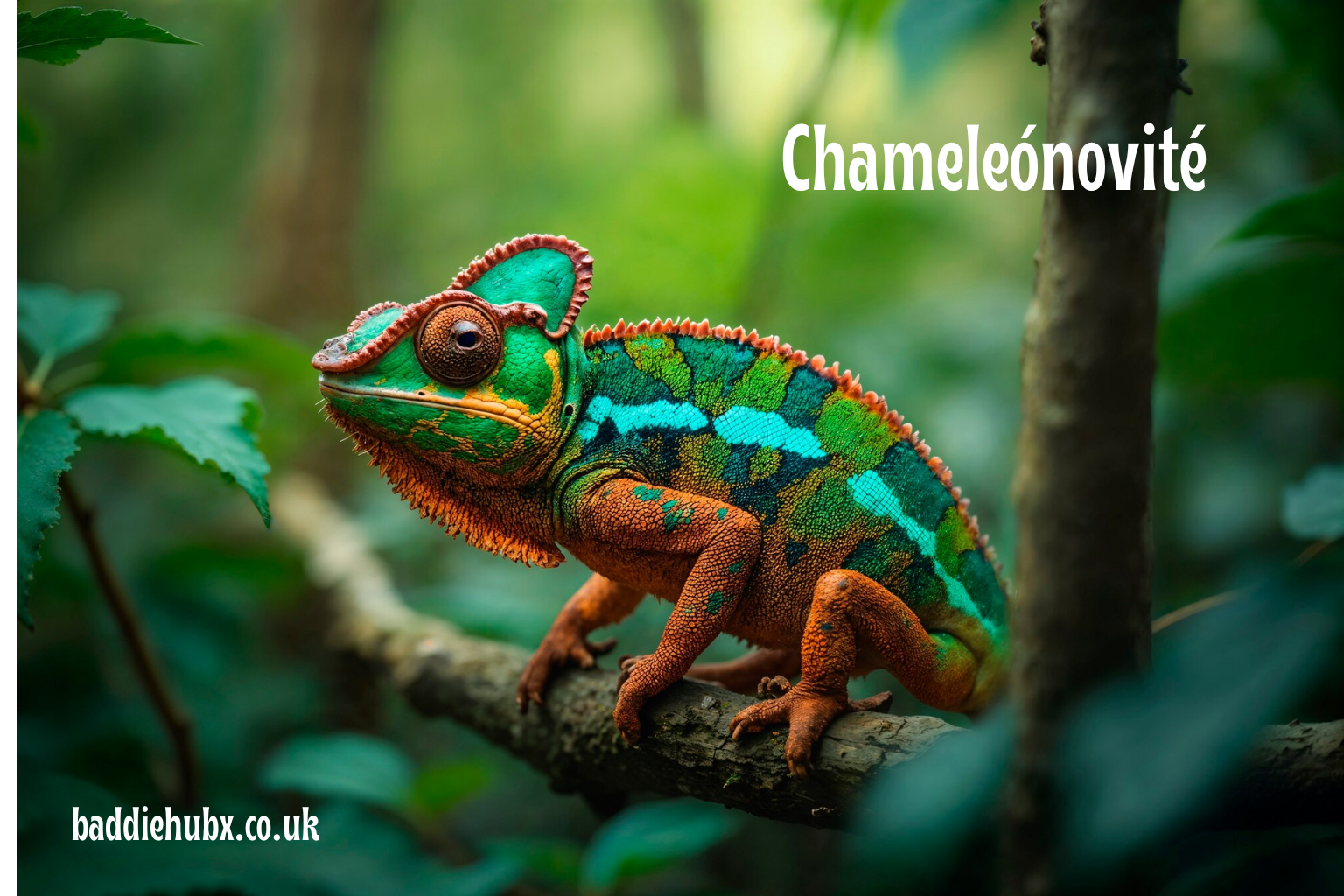
Chameleónovité – more than just a word; it captures one of nature’s most extraordinary reptile families. These remarkable lizards have captivated humans for centuries with their dramatic color changes, slow swaying movement, advanced vision, and peculiar lifestyles. Known scientifically as the family Chamaeleonidae, chameleons represent evolutionary ingenuity and ecological importance across tropical and subtropical regions. In this guide, we explore everything you need to know about Chameleónovité: from their biology to behavior, habitat and conservation.
Introduction to Chameleónovité
When most people think of chameleons, they picture tiny lizards shifting through a prism of colors. While that iconic image holds true, it only scratches the surface. Chameleónovité are masters of adaptation whose biology offers scientists insights into vision, locomotion, ecological balance, and evolutionary success. These reptiles not only inspire curiosity but are key players in ecosystems from African woodlands to Madagascar’s unique biomes.
In this comprehensive article, we’ll demystify chameleons — covering their defining traits, fascinating behavior, ecological roles, and the real challenges they face today.
What Is Chameleónovité? (Definition & Scientific Classification)
Chameleónovité refers to the reptile family Chamaeleonidae within the order Squamata, which includes lizards and snakes. These creatures share features that distinguish them from all other lizard groups. The family contains roughly 200–228 species, depending on taxonomic updates — with many species confined to specific islands or regions.
Meaning of the Term Chameleónovité
The term “Chameleónovité” comes from Central European languages (like Czech and Slovak) and refers collectively to all true chameleons — reptiles capable of color changes, slow arboreal locomotion, and unique vision and hunting mechanisms.
Taxonomic Classification of Chamaeleonidae
- Kingdom: Animalia
- Phylum: Chordata
- Class: Reptilia
- Order: Squamata
- Family: Chamaeleonidae
Chameleónovité are closely related to other iguanian lizards but possess distinct features that set them apart.
Difference Between Chameleónovité and Other Lizards
Unlike common lizards, chameleons have:
- Zygodactylous feet with fused toes that form pincers.
- Prehensile tails used for gripping branches.
- Independently moving eyes that allow panoramic vision.
- Highly extensible tongues for rapid prey capture.
Evolutionary History of Chameleónovité
Chameleónovité evolved millions of years ago as part of the lizard radiation across Africa and Madagascar. Geographic isolation, especially on Madagascar — a biodiversity hotspot — led to significant speciation, resulting in hundreds of distinct forms adapted to different microhabitats.
Origins and Evolutionary Timeline
Chameleons initially arose in Gondwanan landmasses and diversified as continents shifted and environments changed. Madagascar, in particular, became a cradle of speciation due to its prolonged isolation, creating conditions for endemic evolution.
Role of Geographic Isolation in Species Development
Many species exist only on single mountain slopes, isolated forests, or specific ecosystems — demonstrating evolutionary diversification through isolation and adaptive specialization.
Madagascar’s Impact on Chameleon Evolution
Madagascar boasts a remarkably high number of unique chameleon species — about a third or more of all known species — making it a critical area for conservation and scientific research.
Diversity Within the Chameleónovité Family
Chameleónovité include a wide array of species from dwarf forms less than an inch long to giants over two feet in length.
How Many Chameleon Species Exist?
Today, scientists recognize more than 200 species in the family Chamaeleonidae, with continual discoveries pushing the count higher.
Major Genera Within Chamaeleonidae
Common genera include:
- Chamaeleo — classic chameleons like the Mediterranean and veiled species.
- Furcifer — many vibrant Malagasy species.
- Brookesia — tiny terrestrial dwarf chameleons.
- Bradypodion — African dwarf forms.
Smallest vs Largest Chameleon Species
- Smallest: Brookesia nana — less than 1 inch long.
- Largest: Parson’s chameleon — up to ~26 inches.
Sexual Dimorphism in Chameleónovité
Many species show size and ornamentation differences between sexes — males often more brightly colored and larger, especially in display structures like horns or casques.
Physical Characteristics and Adaptations
Chameleónovité have evolved an extraordinary suite of physical adaptations suited for their complex arboreal lives.
Body Structure and Arboreal Design
Their bodies are laterally flattened, helping them move through foliage while minimizing detection by predators.
Zygodactylous Feet and Prehensile Tail
Their feet form two opposable sets of toes — an evolutionary design for gripping thin branches. A highly flexible prehensile tail improves balance and maneuverability.
Independent Eye Movement and Advanced Vision
Each eye can rotate nearly independently, giving them expansive vision — almost 360 degrees — allowing them to spot prey and predators without moving their body.
Camouflage Through Movement and Shape
Their slow, deliberate rocking motion mimics swaying leaves, aiding stealth and reducing detection.
Color Change in Chameleónovité (Science Explained)
Chameleons are probably best known for their color-shifting skin — but this behavior isn’t simply camouflage.
Why Chameleons Change Color
Color changes serve multiple functions:
- Communication — social signaling during mating or territorial displays.
- Thermoregulation — darker hues absorb heat, lighter ones reflect it.
- Mood and stress indication — colors reflect emotional or physiological states.
How Color Change Works at the Cellular Level
Instead of pigments alone, chameleons use specialized cells (iridophores and chromatophores) with nanocrystal structures to manipulate light wavelengths — changing the colors reflected from the skin.
Species With the Most Dramatic Color Changes
Species like the panther chameleon (Furcifer pardalis) display spectacular color ranges during courtship and territorial behavior — making them visually impressive organisms.
Feeding Habits and Hunting Techniques
Chameleons are primarily insectivorous, feeding on insects such as crickets, grasshoppers, and flies. Larger species may eat small vertebrates or plant material occasionally.
Natural Diet of Chameleónovité
Their insect diet provides protein and energy necessary for growth and daily activity. Some larger chameleons incorporate small vertebrates and vegetation.
Projectile Tongue Mechanics Explained
One of their most remarkable adaptations is the projectile tongue — a rapid, muscular extension of the tongue capable of reaching up to twice their body length to snatch prey with a sticky tip.
Hunting Accuracy, Speed, and Vision Coordination
Their independent eye movement helps them lock eyes on prey before the tongue shoot, ensuring remarkable hunting precision.
Behavior and Daily Lifestyle
Solitary and Territorial Nature
Chameleónovité are largely solitary, interacting mainly during mating or territorial disputes.
Communication Through Color Displays
Color shifts are a primary mode of communication — not just camouflage — signaling readiness to mate or aggression toward rivals.
Mating Behavior and Breeding Season Patterns
Breeding behaviors vary among species, but often involve elaborate displays and competition for mates.
Geographic Distribution and Natural Habitat
Chameleónovité are most diverse in Africa and Madagascar, with smaller populations in southern Europe, the Middle East, India, and Sri Lanka.
Where Chameleónovité Are Found Globally
These reptiles inhabit forests, shrublands, savannas, mountain slopes, and even semi-arid regions.
Madagascar and African Biodiversity Hotspots
Madagascar, East Africa, and parts of central Africa are hotspots for chameleon diversity, hosting many endemic species.
Forest, Savanna, Mountain, and Semi-Arid Species
Different species have adapted to distinct habitats — from rainforest canopies to dry, rocky hillsides.
Arboreal vs Ground-Dwelling Chameleons
While most are arboreal, some species like Brookesia live on forest floors among leaf litter.
Ecological Role of Chameleónovité
Insect Population Control
By preying on insects, chameleons help regulate populations of pests that could otherwise harm vegetation.
Position in the Food Chain
Chameleons also serve as prey for snakes, birds, and mammals — anchoring them firmly within many food webs.
Chameleons as Environmental Indicator Species
Because many chameleons are sensitive to habitat changes, their decline can signal broader ecosystem distress.
Chameleónovité as Pets (Pros, Cons & Ethics)
Chameleons attract exotic pet enthusiasts, but they are not easy pets.
Are Chameleons Good Pets?
While intriguing to observe, they are delicate animals requiring specific conditions and expert care. Inappropriate environments can cause stress or illness.
Beginner vs Advanced Chameleon Species
Species like the veiled chameleon (Chamaeleo calyptratus) are sometimes recommended for experienced keepers, but overall, chameleons are not ideal for beginners due to their specialized needs.
Ethical Concerns and Wild-Caught Trade Issues
Wild capture and illegal trade have contributed to population declines in some species. Ethical sourcing from reputable breeders is critical.
How to Care for Chameleónovité Properly
Proper care requires attention to their arboreal lifestyle, lighting, temperature, humidity, and nutrition.
Ideal Enclosure Setup and Size
Chameleons need tall, ventilated enclosures with branches for climbing — vertical space is essential. Standards vary by species.
UVB Lighting and Temperature Requirements
UVB exposure and a thermal gradient are vital for metabolism, calcium absorption, and overall health.
Humidity Control and Hydration
Humidity levels must mimic natural habitats and are often maintained with misting or fog systems.
Feeding Schedule and Nutritional Supplements
In captivity, a varied insect diet supplemented with vitamins and calcium supports proper growth.
Common Health Issues in Captivity
Incorrect conditions can result in respiratory infections, metabolic bone disease, and stress-related problems — highlighting the importance of knowledgeable care.
Conservation Status of Chameleónovité
Threats Facing Chameleon Species
Many chameleons face threats from habitat loss, deforestation, agricultural expansion, climate change, and illegal pet trade.
IUCN Red List and Endangered Species
Numerous species are listed as threatened or vulnerable on the IUCN Red List, signaling urgent need for conservation efforts.
Conservation Programs and Captive Breeding
Dedicated programs aim to protect habitats, regulate trade, and sustain populations through captive breeding and community education.
How You Can Help Protect Chameleónovité
Supporting Conservation Organizations
Supporting credible conservation groups working in Madagascar and Africa helps protect chameleon habitats and ecosystems.
Responsible Pet Ownership
Responsible chameleon ownership — with ethical breeding and proper care — reduces pressure on wild populations.
Spreading Awareness and Education
Educating others about chameleons’ ecological roles promotes their conservation and appreciation worldwide.
Chameleónovité in Culture, Symbolism, and Media
Mythology and Folklore
Across cultures, chameleons have symbolized adaptability, transformation, and mystery.
Symbolism of Adaptability and Transformation
Their color change and elusive nature have inspired metaphors in literature, art, and philosophy.
Chameleons in Modern Media and Design
From animated films like Rango to fashion and art, chameleon imagery symbolizes flexibility, evolution, and change.
Fascinating and Little-Known Facts About Chameleónovité
- Some chameleons can project their tongues at speeds exceeding 13 mph to catch prey.
- Chameleons can see in almost 360 degrees due to independently moving eyes.
- Many species use color changes not for camouflage but to communicate mood and social intent.
- Some chameleons can detect ultraviolet light — enhancing their visual capacity.
Frequently Asked Questions About Chameleónovité
What does Chameleónovité mean?
It refers to the family Chamaeleonidae — true chameleons as a group.
Do all chameleons change color?
Yes, all chameleons can change color, though the range and purpose vary by species.
How fast can a chameleon’s tongue move?
A chameleon’s tongue can shoot out as fast as ~13 mph and reach distances up to twice its body length.
What do chameleónovité eat?
Primarily insects, though larger species may take small vertebrates or plant material.
Are chameleónovité endangered?
Many species are vulnerable or near threatened due to habitat loss and trade pressures.
How long do chameleónovité live?
Lifespan varies by species — from several years in small species to around 8–10 years in larger ones in good conditions.
Final Summary – Why Chameleónovité Matter
Chameleónovité are evolutionary marvels — each species a testament to adaptation and survival in diverse and often challenging environments. Their unique biology, ecological significance, and cultural symbolism make them important both scientifically and in the natural world. Protecting them preserves biodiversity, ecological balance, and the wonder of evolution itself.
Understanding, appreciating, and conserving these extraordinary reptiles ensures that future generations will continue to marvel at their color-changing brilliance and ecological roles
ALSO READ: Gldyql: Meaning, Benefits, Uses, and How It Transforms Wellness, Beauty, and Group Innovation