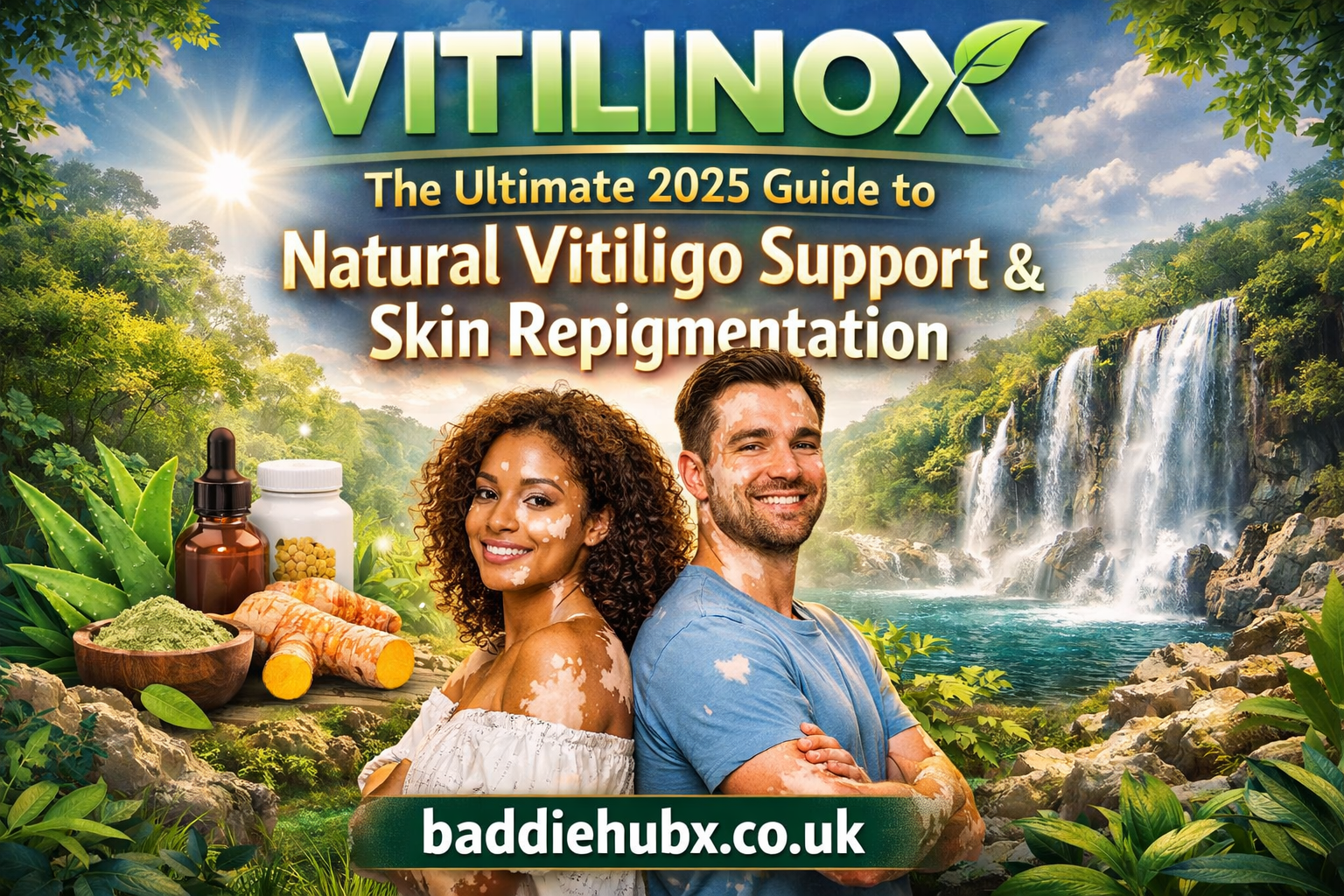
Vitilinox has emerged as a term at the crossroads of natural skin care, vitiligo awareness, and gentle repigmentation solutions. Whether you’re newly learning about vitiligo or exploring non‑steroidal treatment options, this comprehensive guide explains everything you need to know — from the science of pigment loss to realistic expectations for natural remedies.
What Is Vitilinox?
In 2025, Vitinox is increasingly used to mean two things:
- A concept linking skin health, self‑care, and visible differences such as vitiligo.
- A natural product or regimen some communities associate with supporting skin texture and pigment stability.
Unlike conventional pharmaceuticals, Vitilinox isn’t a single medically recognized drug with standardized clinical approval — but rather a name and idea linked to gentle, plant‑centered approaches, backed by user interest and growing scientific curiosity.
Meaning, Origin, and Why the Term Is Trending
“Vitilinox” blends vitiligo with linguistic elements that suggest support and resilience. It’s part therapy term, part cultural symbol: people talk about it because it helps them think about their skin and identity in a holistic way.
Vitinox as a Concept vs Vitilinox as a Product
Some discussions treat Vitilinox as an ethos — emphasizing empowerment, inclusivity, and acceptance for people with visible skin conditions. Others refer to it as a topical cream, supplement, or lifestyle method meant to support skin health. When writing or talking about Vitilinox, it is crucial to be clear which meaning you’re using.
Who Vitilinox Is Designed For
Vitinox appeals most to people who:
- Want non‑steroidal, gentle skin routines
- Prefer natural or plant‑based approaches
- Wish to support emotional wellbeing alongside physical care
Why Vitilinox Is Gaining Global Attention in 2025
The rapid growth in interest around vitiligo treatments and alternatives like Vitilinox reflects several broader trends.
Rising Vitiligo Awareness and Skin Inclusivity
Vitiligo affects millions of people worldwide, and conversations about it are more visible than ever — in part due to social media, influencers, and advocacy groups that promote skin diversity. Many people with vitiligo find community and confidence online, reducing stigma and encouraging open discussion about solutions.
Shift Toward Natural and Non‑Steroidal Treatments
Conventional treatments like corticosteroids and phototherapy often come with side effects or require clinical visits. As a result, gentler topical products and supplements have become increasingly popular with those seeking daily, at‑home regimens.
Why People Are Searching for Gentler Alternatives
Concerns about long‑term steroids, repeated clinic visits, sensitivity, and cost have encouraged interest in plant‑based or supportive products — even if only as adjuncts to conventional care. Vitilinox fits into that niche.
Understanding Vitiligo and Skin Pigmentation Loss
To understand why Vitilinox is discussed in the context of vitiligo, it’s important to grasp the basics of the condition behind it.
What Causes Vitiligo?
Vitiligo is an autoimmune skin condition in which the immune system attacks melanocytes — the cells responsible for producing melanin, the pigment that gives skin its color. When melanocytes are damaged or lost, the skin develops white or lighter patches.
Studies show that vitiligo affects approximately 1–4% of the global population, with half of cases beginning before age 20. Psychological impact — including feelings of self‑image distress — is common among affected individuals.
How Melanin and Melanocytes Affect Skin Color
Melanin is produced in specialized skin cells called melanocytes. When these cells stop functioning or decrease in number, pigment is lost and white patches appear. Vitiligo does not spread uniformly; some areas remain colored, while others fade.
Autoimmune Triggers and Oxidative Stress
Oxidative stress — an imbalance between free radicals and antioxidants in the body — is believed to play a major role in vitiligo. Patients with vitiligo often exhibit higher oxidative stress markers, which may contribute to melanocyte damage.
Emotional and Psychological Impact of Vitiligo
Vitiligo isn’t just physical: it often affects self‑esteem, social confidence, and mental health. Visible changes can lead to stress, anxiety, or self‑consciousness, underscoring the need for holistic care that includes emotional support.
How Vitilinox Works on the Skin
Exactly how Vitilinox is thought to support skin depends on its formulation or regimen focus, but most interpretations integrate antioxidant support, skin balance, and comfort.
Antioxidant Protection and Skin Barrier Support
Antioxidants help neutralize free radicals and oxidative stress — essential for protecting melanocytes and supporting healthy skin responses under immune pressure. Many herbs and extracts marketed under Vitilinox‑like products contain antioxidant agents such as flavonoids.
Supporting Melanocyte Function
Some natural compounds are studied for their potential to support pigment recovery when combined with light therapy or conventional treatments — though strongest evidence still lies with clinically proven medical approaches.
Immune‑Balancing Mechanism Explained Simply
By potentially reducing inflammation and supporting skin resilience, some botanical blends aim to create a more favorable environment for melanocytes. However, claims of “restoring pigment like a cure” are not supported by consistent, large‑scale clinical trials.
Why Results Vary from Person to Person
Vitiligo is a genetically and immunologically complex condition, so individuals with stable disease might see different outcomes than those with active depigmentation. Results depend on disease type, extent, treatment consistency, and underlying health.
Vitilinox Ingredients and the Science Behind Them
Because Vitilinox isn’t a standard, regulated pharmaceutical, the ingredients linked to it vary widely. However, some compounds commonly mentioned in natural vitiligo support strategies include:
Key Herbal and Plant‑Based Compounds
Ginkgo Biloba: An antioxidant with immunomodulatory properties. Some clinical trials reported repigmentation or halted disease progression, though results are preliminary and sample sizes small.
Polypodium Leucotomos: A fern extract shown in some studies to support repigmentation when used alongside phototherapy. It has antioxidant and photoprotective effects.
Khellin (from Ammi visnaga): Has been studied in small trials in combination with UVA or UVB therapy for repigmentation, though evidence remains limited and mixed.
Other botanicals like aloe vera, turmeric (curcumin), and nigella sativa are sometimes used in supportive roles, though robust human clinical evidence is limited.
Role of Antioxidants in Repigmentation
Antioxidants — including vitamins C and E, and certain polyphenols — are studied for their ability to reduce oxidative stress and potentially mitigate melanocyte damage. Research is ongoing and not definitively conclusive.
What Research and Clinical Studies Suggest
While small clinical trials show promising signs for specific herbs like Ginkgo biloba and Polypodium leucotomos when used with phototherapy, high‑quality, large‑scale evidence is still limited. Natural approaches show potential as adjunctive treatments — not definitive monotherapies.
How to Use Vitilinox Correctly for Best Results
If you choose a Vitilinox‑like regimen or product, here’s how to use it wisely and safely.
Daily Application Routine (Step‑by‑Step)
- Cleanse: Use a gentle, non‑irritating cleanser.
- Apply Product: Follow manufacturer instructions for topical application.
- Protection: Always use sunscreen when exposed to UV light.
- Consistency: Consistent daily care is more effective than irregular use.
Cream vs Supplement – What’s the Difference?
Topical creams act directly on skin surfaces, while supplements work systemically. The choice depends on formulation and personal tolerance.
How Long Vitilinox Takes to Show Results
Expect gradual change — if any. Studies suggest several weeks (often 3–6 months) may be required before noticeable differences occur when using natural adjuncts alongside conventional treatments.
Common Mistakes That Reduce Effectiveness
- Inconsistent use
- Ignoring photoprotection
- Using without dermatology guidance
Benefits of Using Vitilinox
Skin Comfort and Reduced Irritation
Many natural products use soothing botanicals that reduce redness or irritation — making them useful for people with sensitive skin.
Gradual Repigmentation Support
Some studies indicate herbal compounds may support repigmentation when used in combination with phototherapy, though results vary greatly between individuals.
Improved Confidence and Emotional Wellbeing
Using a supportive routine often makes people feel proactive and in control, reducing anxiety and improving self‑image.
Long‑Term Skin Health Support
By supporting antioxidative pathways and gentle care, a daily routine may contribute to overall skin resilience.
Vitilinox Side Effects, Safety & Precautions
Is Vitilinox Safe for Daily Use?
Natural doesn’t always mean harmless. Certain botanicals can cause irritation, photosensitivity, or interactions with medications — especially anticoagulants.
Possible Mild Side Effects and Skin Reactions
Topical irritation, itching, or redness can occur, especially with new ingredients. Oral supplements like Ginkgo may cause digestive discomfort or interact with drugs.
Who Should Avoid Using Vitilinox
People who are pregnant, nursing, on specific medications, or with known allergies should consult a physician first.
Dermatologist Safety Recommendations
Always talk to your dermatologist before combining Vitilinox‑like regimens with established treatments like phototherapy or steroids.
Vitilinox vs Other Vitiligo Treatments
Vitinox vs Steroid Creams
Steroid creams are medically recognized first‑line treatments but carry side effects with long‑term use. Vitilinox offers a gentler approach but lacks large‑scale clinical backing.
Vitilinox vs Phototherapy (NB‑UVB)
Narrowband UVB is one of the most effective vitiligo treatments, with many patients requiring weeks to months of regular sessions. Natural compounds may support UV therapy but aren’t replacements.
Vitilinox vs Supplements and Home Remedies
Unlike evidence‑based phototherapy and immune modulators, most natural supplements have limited validation. They may work as adjuncts, not replacements.
Which Approach Works Best Together?
Combining clinically proven therapies with supportive routines (including antioxidants, good skincare, psychological care) tends to yield the most balanced results.
Lifestyle Habits That Improve Vitilinox Results
Diet and Vitamins for Skin Pigmentation
Some research suggests vitamins (e.g., B12, D) and minerals may play supportive roles in skin health, though clear clinical evidence is still emerging.
Stress, Sleep, and Autoimmune Balance
Stress and lack of rest can negatively impact immune function and oxidative balance — both relevant in vitiligo’s progression.
Sun Exposure – What Helps and What Harms
Controlled sun exposure can stimulate melanocytes, but unprotected sun increases the risk of burns and irritation.
Skincare Habits to Avoid Pigment Loss
Gentle cleansing, avoiding harsh chemicals, and regular sunscreen use protect skin integrity and prevent irritation.
Real Experiences, Reviews & Expert Opinions
What Dermatologists Say About Vitilinox
Most dermatologists see natural adjuncts as potentially helpful alongside conventional treatments but emphasize that Vitilinox shouldn’t replace medically proven therapies.
User Experiences and Result Expectations
Testimonials vary widely, with some users reporting improved comfort, stability, or slight repigmentation — while others notice minimal change. Realistic expectations are essential.
Vitilinox as a Symbol of Acceptance and Inclusion
Vitinox also represents a movement of acceptance, resilience, and visibility for people living with vitiligo — connecting physical care with psychological support.
Common Myths and Misconceptions About Vitilinox
Is Vitilinox a Permanent Cure?
No. There is currently no universally accepted cure for vitiligo, and many natural approaches focus on support, not complete reversal.
Does “Natural” Always Mean Safe?
No. Natural compounds can cause side effects and interact with medications.
Why One Product Alone Is Not Enough
Vitiligo’s complex nature means a combined medical and lifestyle approach is usually best.
The Future of Vitilinox and Vitiligo Care
Innovation in dermatology, AI‑guided analysis, telemedicine monitoring, and more rigorous clinical trials will continue expanding options for people with vitiligo.
Frequently Asked Questions About Vitilinox
What Is Vitilinox Used For?
It’s used to support skin health, comfort, and potentially aid in pigment stability in vitiligo. Some people use it as part of a daily skincare routine.
Is Vitilinox FDA Approved?
Natural creams and supplements aren’t typically FDA‑approved as treatments for vitiligo — they are often regulated as cosmetics or dietary supplements.
Can Vitilinox Cure Vitiligo Permanently?
No single product cures vitiligo; treatments aim to manage symptoms and support repigmentation.
How Long Should I Use Vitilinox?
Natural adjuncts may be used for months, but consistency and monitoring with a dermatologist are vital.
Can Vitilinox Be Used With Phototherapy?
Many experts suggest natural antioxidants may help alongside phototherapy, but combined treatment should be monitored professionally.
Final Verdict – Is Vitilinox Worth Trying?
Vitinox represents a holistic, gentle pathway that many find empowering — but it should be viewed as part of a broader strategy that includes medical guidance, emotional support, and evidence‑based care.
For many people, the value of Vitilinox lies as much in its community and mindset as in its physical effects — offering a sense of progress, hope, and self‑care in the journey with vitiligo.