Çbiri is a name rich with cultural resonance—evoking images of breathtaking landscapes, ancient history, vibrant traditions, and a deeply rooted culinary heritage. For many travelers and food lovers alike, Çbiri represents a dual identity: a hidden gem destination off the well-trodden tourist paths and a beloved traditional dish woven into the fabric of regional life. In this comprehensive guide, we explore every facet of Çbiri—its origins, significance, attractions, cuisine, travel tips, and even how to make its iconic dish at home.
Whether you’re planning a trip, researching world cultures, or simply curious to discover something new, this guide has you covered. Let’s begin our journey.
What Is Çbiri? (A Place, a Tradition, and a Cultural Symbol)
At its core, the word Çbiri carries multiple connotations. For many, it is a picturesque locale tucked away from mainstream tourism—an idyllic town where traditions linger in the air like the fragrance of local spices. For others, Çbiri is a dish, a staple of regional cuisine passed down through generations.
This dual nature makes Çbiri unique: it is both a place of exploration and a taste of tradition. The name encapsulates heritage, identity, and shared experience, resonating with travelers who seek authenticity and food lovers who crave depth of flavor.
While the exact etymology of “Çbiri” is debated, most linguistic scholars believe it combines local dialect roots meaning “gathering” and “heritage.” This aligns beautifully with how Çbiri manifests in both place and plate.
The Historical Roots of Çbiri
Ancient Origins and Early Influences
Çbiri’s landscape tells a story older than many modern nations. Archaeological research in the region indicates human settlements dating back over 3,000 years, revealing a tapestry of cultures, from early agrarian communities to thriving trade hubs. Ancient artifacts and remnants of early dwellings suggest the area was part of early regional trade networks that connected distant cultures through commerce and ideas.
The town’s strategic location—nestled between rolling hills and fertile plains—made it a crossroads for traders, nomads, and settlers who contributed to its cultural mosaic.
Çbiri Through Different Civilizations
Throughout history, Çbiri has experienced the influence of diverse civilizations. Each left indelible marks on language, art, architecture, and social traditions. Ruins of fortified structures, relics with intricate carvings, and old marketplaces hint at a vibrant past where cultures blended through exchanges and migrations.
Historians note that during certain periods, Çbiri was a thriving waypoint for those traveling between empires—bringing not just goods, but cultural exchanges that shaped the local identity.
Folklore, Stories, and Oral Traditions
Perhaps the most enduring part of Çbiri’s history is its folklore. Generations of storytellers have passed down tales of heroes, natural spirits, and celebrations honoring harvests and celestial events. These stories are more than entertainment; they encode moral lessons, remind locals of ancestral struggles, and preserve a sense of place.
Traditional festivals include processions with music, folk dances, and communal feasts—many of which continue to this day.
Cultural Significance of Çbiri in Daily Life
In Çbiri, culture isn’t a museum artifact—it’s lived. Daily life in the town reflects a deep sense of continuity, with traditions observed and reinvented by each generation.
Festivals, Music, and Local Celebrations
Music is the heartbeat of cultural expression in Çbiri. Traditional instruments, passed down through centuries, accompany festivities that celebrate the seasons, milestones, and communal achievements. During festivals, streets come alive with colors, dance, and the aroma of local foods.
Annual celebrations like the Festival of Lights and the Harvest Harmony draw visitors from surrounding regions and provide insight into the local spirit of togetherness.
Artisan Crafts and Traditional Markets
Walk through Çbiri’s markets and you’ll find stalls brimming with handmade crafts. Skilled artisans produce textiles, pottery, woodcarvings, and jewelry using techniques handed down through families. Each item tells a story—of artistic lineage, of materials sourced from nearby landscapes, and of cultural motifs that have endured centuries.
Markets aren’t just commercial centers; they are cultural hubs where locals gather to exchange stories, share meals, and maintain community bonds.
Hospitality and Community Values
Hospitality is central to life in Çbiri. Visitors often note the warmth with which they are welcomed, whether in a local home, a guesthouse, or a corner café. Sharing food, stories, and laughter is a cornerstone of local etiquette—a reflection of the community’s emphasis on connection.
Exploring Çbiri as a Travel Destination
Çbiri’s appeal as a destination lies in its untouched natural beauty and rich cultural landscape. Unlike crowded tourist hotspots, it invites visitors to slow down and savor experiences.
Why Çbiri Is a Hidden Gem
Hidden from major travel circuits, Çbiri maintains a sense of authenticity that travelers rarely encounter. There are no resort megastructures here—just rolling landscapes, ancient sites, and humble communities preserving their heritage.
Natural Landscapes and Scenic Beauty
Surrounding Çbiri are lush valleys, serene lakes, and hiking trails that reveal ever-changing vistas. Whether you’re chasing sunrise views over hills or tranquil afternoons by the water, the landscapes are a photographer’s dream.
Many nature lovers describe Çbiri as a “canvas of contrasts”—from rugged trails that wind through hidden waterfalls to quiet meadows perfect for reflective walks.
Architecture, Ruins, and Historic Sites
In the heart of Çbiri lie ruins that whisper of bygone eras—ancient walls, stone bridges, and carved façades that have withstood time. Guided tours often include visits to these sites, where experts share tales of past civilizations and elaborate on architectural techniques used centuries ago.
Preservation efforts continue to protect these structures while making them accessible for education and tourism.
Top Attractions and Things to Do in Çbiri
Here’s a curated list of must-see experiences for anyone visiting Çbiri:
Çbiri Lake and Natural Viewpoints
Crystal waters reflecting the sky and surrounding peaks make Çbiri Lake an unforgettable sight. Many visitors arrive at dawn to witness the lake bathed in golden hues—a moment often described as pure magic.
Local Markets and Cultural Centers
The town market is a mosaic of sights, sounds, and smells. Sample local delicacies, browse artisan crafts, and interact with vendors who generously share stories about their crafts and heritage.
Nearby cultural centers host exhibitions on history, art, and traditional music performances that provide deeper insight into local culture.
Hiking Trails and Outdoor Adventures
From gentle walks to challenging hikes, Çbiri’s natural trails cater to all skill levels. Along the way, travelers may discover hidden waterfalls and viewpoints perfect for picnics.
Guided tours help ensure safety while providing narration about the flora, fauna, and folklore tied to the land.
Photography Spots and Street Life
Every corner of Çbiri invites photography. Cobblestone alleys adorned with street art, sunlit hilltops, and vibrant markets make for stunning images. Visitors often describe the town as a place where every frame feels like a postcard.
How to Get to Çbiri and Travel Tips
Nearest Airports and Transport Options
Çbiri is conveniently located near regional transport hubs. The nearest airport—just a short drive away—connects with major cities via regular flights. From the airport, rental cars and taxis make reaching Çbiri easy and scenic.
For those preferring public transit, buses run frequently from nearby urban centers directly to town. The ride itself showcases panoramic landscapes that prepare visitors for what lies ahead.
Getting Around Çbiri
Once in Çbiri, the best way to explore is on foot. The town’s size and layout make walking practical and pleasant, allowing visitors to soak in the atmosphere. Bicycles and local taxis are also available for longer distances.
Best Time to Visit Çbiri
While beautiful year-round, many travelers prefer spring and autumn for mild temperatures and festival seasons. Early morning and late afternoon offer the softest light—perfect for photography and outdoor activities.
Safety, Currency, and Practical Tips
Çbiri is considered safe for travelers, with low crime rates and friendly locals. ATMs and small banks are available, though carrying some local currency in cash is recommended for market purchases and small vendors. Comfortable walking shoes and a good camera are travel essentials here!
Where to Stay in Çbiri (Hotels, Guesthouses & Homestays)
Accommodation in Çbiri ranges from cozy guesthouses to boutique hotels, all emphasizing comfort and local charm.
Budget-Friendly Accommodations
For travelers on a budget, family-run guesthouses offer a comfortable stay with personalized service. These options often include home-cooked breakfasts featuring local ingredients.
Mid-Range and Boutique Hotels
Mid-range hotels blend modern amenities with traditional aesthetics. Many offer spectacular views of rolling hills and the lake.
Traditional Guesthouses and Local Stays
Staying in a traditional guesthouse allows visitors to experience local life firsthand. Hosts often share stories, recommend hidden gems, and prepare authentic meals.
Çbiri Cuisine – More Than Just Food
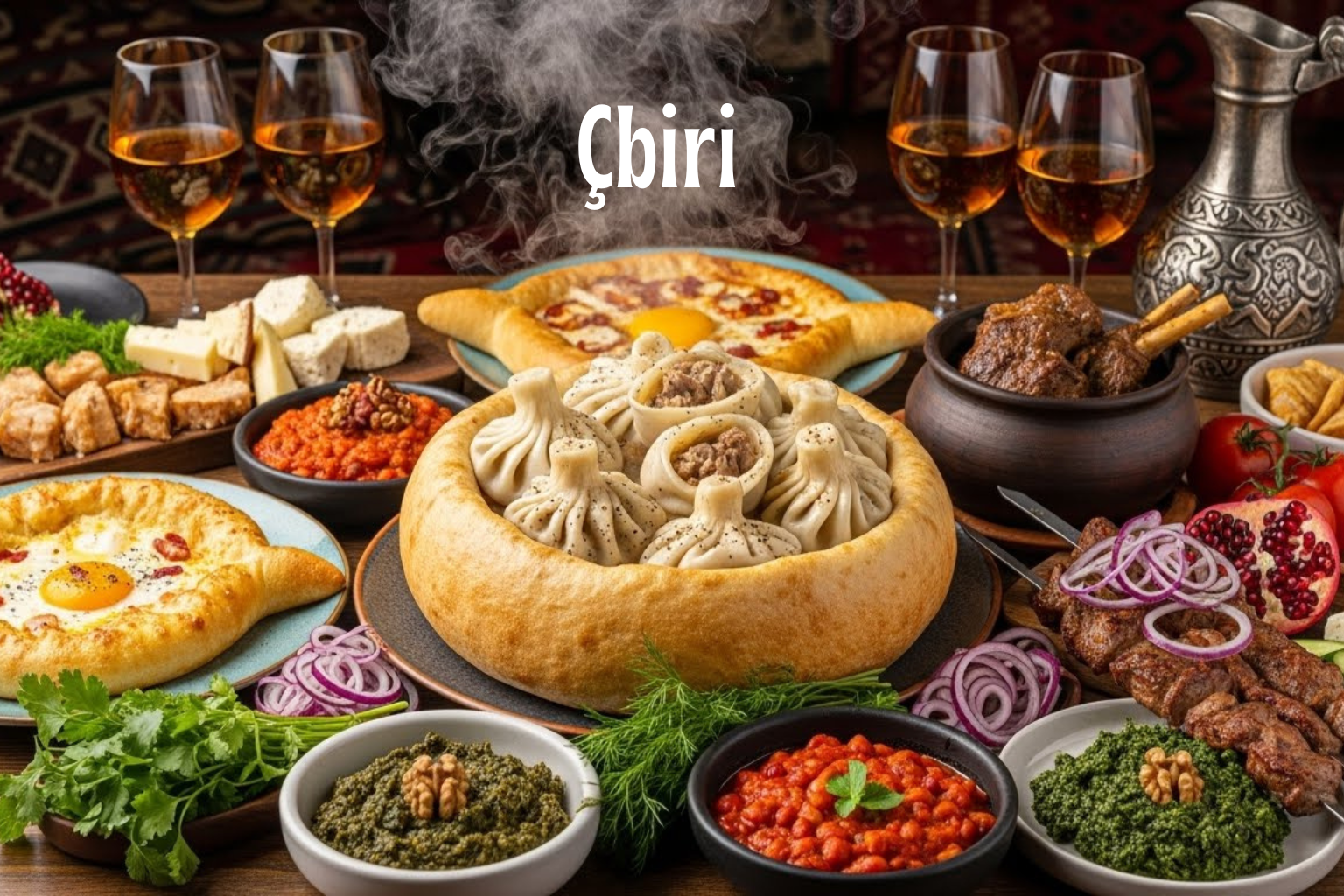
Food in Çbiri is an experience steeped in history and community. Central to this culinary tapestry is the traditional dish known simply as Çbiri—a meal that transcends flavors to embody cultural identity.
What Is the Çbiri Dish?
At its heart, Çbiri is a communal dish known for its rich layers of flavor—a combination of staple cereals, meat or protein, fresh vegetables, and spices. While variations exist, the essence remains: hearty, aromatic, and deeply rooted in tradition.
History and Origins of the Çbiri Recipe
Historical accounts link the origin of Çbiri to ancient nomadic tribes who relied on local harvests and open-flame cooking. Over centuries, as trade routes expanded and cultures intersected, the dish evolved—absorbing influences from neighboring regions yet maintaining its core identity.
The preparation of Çbiri was traditionally a communal activity—families and neighbors gathering around a fire to cook and share.
Key Ingredients Used in Çbiri and Their Significance
The ingredients in Çbiri are more than components; they carry cultural meaning.
Grains, Meat, and Vegetables
Grains such as wheat or rice form the foundation, symbolizing sustenance and agricultural heritage. Meat—often lamb or chicken—represents hospitality and shared abundance. Vegetables like tomatoes, onions, and peppers provide texture and depth.
Traditional Spices and Herbs
Spices such as cumin, coriander, paprika, and aromatic herbs like parsley or mint lend complexity and fragrance. These ingredients reflect climatic influences, trade history, and ancestral knowledge of flavors.
Farm-Fresh and Local Ingredients
Most ingredients are sourced locally—either grown on nearby farms or harvested from communal gardens. This not only reinforces sustainability but also strengthens community identity through food.
Traditional Methods of Preparing and Serving Çbiri
Slow-Cooking and Open-Flame Techniques
Traditionally, Çbiri is prepared over an open flame in large pots. Slow cooking allows flavors to meld and develop, creating depth that modern quick-cook methods struggle to replicate.
Family-Style and Communal Serving
Once cooked, Çbiri is shared from a central pot—served in generous portions to family and guests alike. This communal serving style symbolizes unity and shared experience.
Traditional Side Dishes and Pairings
Accompaniments may include fresh salads, warm flatbreads, and fermented vegetables. These side dishes balance texture and flavor while enhancing the overall dining experience.
Regional Variations and Modern Adaptations of Çbiri
Çbiri’s ability to adapt while honoring tradition has kept it alive across generations.
Coastal and Urban Variations
In coastal areas, seafood versions of Çbiri incorporate local catches—fish or shellfish—blended with regional spices for a unique interpretation.
Urban chefs have also experimented with presentation and technique, creating dishes that pay homage to tradition while appealing to modern palates.
Home-Style vs Restaurant Çbiri
Home cooks often prepare Çbiri according to family recipes—time-tested and cherished. Restaurants, on the other hand, may offer refined variants that highlight creativity and culinary innovation.
Health Benefits and Nutritional Value of Çbiri
Çbiri is not only flavorful but also nutritious.
Protein, Fiber, and Essential Nutrients
Protein from meat or legumes, fiber from vegetables and grains, and essential vitamins make Çbiri a balanced meal.
Digestive and Heart Health Benefits
Many spices used in Çbiri—such as cumin and coriander—have anti-inflammatory properties. Fiber aids digestion while wholesome ingredients support heart health.
Is Çbiri Good for a Balanced Diet?
When prepared traditionally—with fresh ingredients and minimal processed additives—Çbiri offers a wholesome, balanced meal suitable for many dietary needs.
Best Places to Eat Authentic Çbiri
Local eateries and family kitchens are where the dish truly shines.
Traditional Restaurants and Family Kitchens
Small restaurants in Çbiri town serve time-honored recipes that bring out the dish’s authentic flavors. Family kitchens often provide the most intimate and heartfelt dining experiences.
Street Food and Local Markets
Market stalls offer quick, delicious interpretations—perfect for travelers sampling local cuisine.
Where Locals Recommend Eating
Locals often point visitors toward neighborhood favorites—places where recipes have been perfected over generations and hospitality feels like an embrace.
How to Make Çbiri at Home (Step-by-Step Guide)
Here’s a simple way to bring Çbiri into your kitchen:
Ingredients
- 2 cups wheat or rice
- 1 lb lamb or chicken (cubed)
- 1 onion (chopped)
- 2 tomatoes (diced)
- 1 bell pepper (chopped)
- 1 tsp cumin
- 1 tsp coriander
- Salt and pepper to taste
- Fresh parsley or mint
Instructions
- Marinate meat with spices.
- Sauté onions until golden.
- Add tomatoes and peppers; cook until soft.
- Combine meat and vegetables; simmer on low.
- Add grains and water; cook until tender.
- Serve hot with herbs and flatbread.
Tips for Authentic Flavor
Slow cooking, fresh spices, and patience make all the difference.
Insider Tips for Experiencing Çbiri Like a Local
Cultural Etiquette and Dining Customs
Respect local dining customs, share meals communally, and embrace conversation.
Hidden Spots Tourists Often Miss
Ask locals for secret viewpoints, artisan workshops, and private feasts.
How to Connect with Locals
Attend festivals, visit markets early, and learn a few local phrases.
Why Çbiri Deserves a Spot on Your Bucket List
Çbiri isn’t just a destination or a dish—it’s an experience. It invites visitors to explore landscapes and palates, to learn from traditions and share in community life. Whether you come for culture, cuisine, or connection, Çbiri leaves a lasting imprint on the heart.
FAQs About Çbiri
Is Çbiri a place or a dish?
Çbiri is both—a cultural destination and a traditional dish unified by heritage.
What is Çbiri famous for?
Stunning landscapes, rich history, and a deeply flavorful traditional cuisine.
Is Çbiri healthy?
Yes—when prepared traditionally with fresh ingredients, it is balanced and nutritious.
Can I visit and taste Çbiri in the same trip?
Absolutely! Local festivals and eateries showcase the dish alongside cultural experiences.
Final Thoughts on Çbiri’s Cultural and Culinary Legacy
Çbiri’s strength lies in its blend of past and present—where ancient traditions coexist with modern curiosities. This is a place to walk slowly, eat heartily, and listen closely. In every story shared by locals, every spice in its famous dish, and every stone on its winding paths, Çbiri offers a profound connection—to people, land, and history.
Whether you plan to visit its scenic streets or cook its time-honored recipes, Çbiri invites you to become part of its story.
ALSO READ: Joguart: Complete Guide to the Healthy Yogurt Drink, Benefits, Nutrition, Uses & Future Trends