
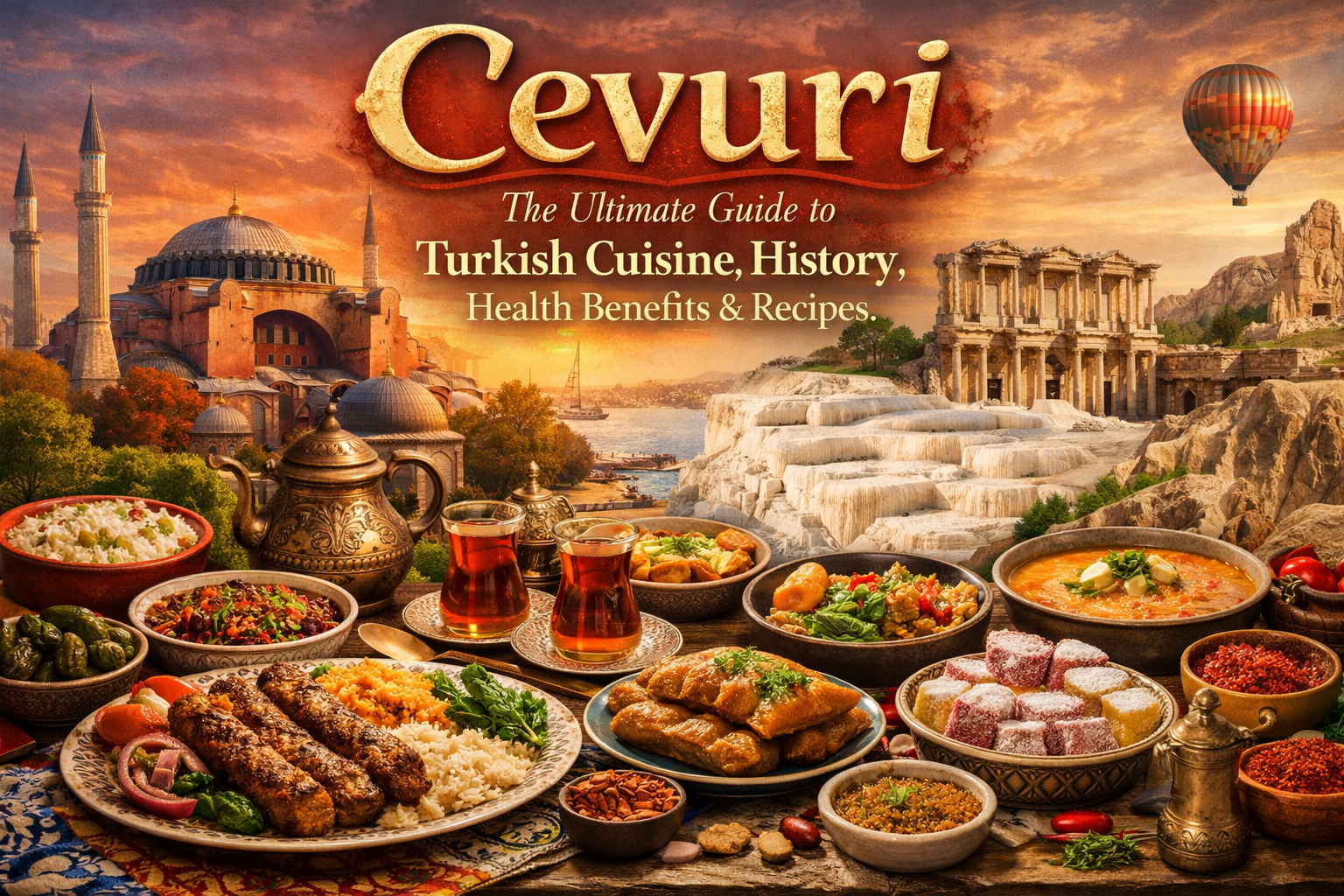
Turkish cuisine is one of the most diverse and vibrant culinary traditions in the world — from kebabs and baklava to lesser‑known regional dishes that tell stories of heritage, community, and innovation. Among these hidden treasures is Cevurı, a hearty and historic dish that embodies the soul of Anatolian cooking. Unlike globally famous Turkish foods, Cevurı remains a regional favorite — but its rich flavors and cultural depth make it a must‑try for adventurous food lovers and culinary explorers alike.
In this comprehensive guide, you’ll discover everything about Cevurı — from what it is and where it comes from, to how it’s made, its health benefits, regional variations, and how you can enjoy it at home or on your next trip to Turkey.
Introduction to Cevurı
At its core, Cevurı is a cherished traditional Turkish dish rooted in rural Anatolian culture. Though lesser‑known outside Turkey’s culinary circles, it has been passed down through generations as a comfort food — a one‑pot meal of meat, legumes, grains, and aromatic spices that sustains families and communities for centuries.
Unlike street‑food staples like döner or künefe, Cevurı isn’t defined by flashy presentation. Instead, it stands out for its depth of flavor, slow‑cooked tenderness, and communal importance — a dish made for sharing. Across Turkey’s regions, the preparation and ingredients can vary widely, but the heart of Cevurı remains the same: hearty, soulful, and deeply rooted in tradition.
Origins and Cultural Significance of Cevurı
Historical Roots in Anatolia
Cevurı’s history is intertwined with the story of Anatolia — a crossroads of civilizations, trade routes, and centuries‑old cooking traditions. While the exact origins of the word “cevurı” are debated, many cultural historians link it to local dialects and the act of stirring or turning food over heat during slow cooking.
Long before modern refrigeration, rural Turkish communities relied on slow‑cooked meals that used every available ingredient — grains, legumes, vegetables, and meat. Cevurı emerged as a practical way to feed large families with simple pantry staples while maximizing flavor and nutrition.
In this sense, the dish reflects a resourceful approach to cooking, where nothing is wasted and every ingredient plays a part in building complex, comforting flavors.
Mindful Cooking and Culinary Heritage
More than just sustenance, Cevurı embodies Turkish hospitality and community values. In many villages, preparing Cevurı was an all‑day affair attended by family members — stirring, laughing, and sharing stories around the pot. This communal aspect is part of what makes the dish not just food, but shared cultural experience.
Today, as traditional food gains renewed interest among food enthusiasts and chefs, Cevurı is being rediscovered — both in urban restaurants and at home kitchens throughout Turkey. Its resurgence speaks to a wider trend: celebrating heritage recipes that connect people to their roots.
Traditional Ingredients Used in Cevurı
One of the most fascinating things about Cevurı is its ingredient flexibility. While the base concept remains consistent — meat plus robust aromatics plus slow cooking — the exact components can vary significantly by region and family tradition.
Protein Base
Traditionally, Cevurı is made with lamb or beef, usually cut into hearty chunks that become tender during slow cooking. In some areas, goat meat is also used.
Legumes and Grains
Legumes such as chickpeas, lentils, or white beans are common additions, offering texture, protein, and fiber to the dish. In other versions, bulgur or cracked wheat is added to create a more filling, stew‑like consistency.
Aromatics and Vegetables
Aromatics like onions, garlic, bell peppers, and tomatoes provide the flavor foundation. Some versions also include root vegetables or eggplants, especially in regions where they are locally abundant.
Herbs and Spices
Typical seasonings include:
- Cumin — warm and earth‑rich
- Paprika & red pepper flakes — for depth and color
- Black pepper & salt
- Fresh herbs such as parsley, dill, or mint added toward the end.
Fats and Finishing Touches
Depending on local tradition, olive oil or butter is used to enrich the dish. In some regions, a final drizzle of clarified butter (sade yağ) with dried mint or red pepper flakes adds aroma and sheen just before serving.
Different Types of Cevurı
Cevurı may have a common root, but across Turkey it transforms into many delightful versions.
Meat‑Centered Cevurı
In Eastern and Southeastern Anatolia, beef or lamb Cevurı is most common — slow simmered with legumes and spices until tender and deeply savory.
Vegetarian Variations
In regions where plant‑based cooking is stronger or during fasting periods, vegetarian Cevurı uses legumes, grains, and hearty vegetables like eggplant or zucchini to create a full‑bodied meal.
Coastal & Seafood Versions
On Turkey’s Aegean and Mediterranean coasts, some cooks adapt Cevurı with fresh fish or shrimp, combining coastal freshness with Anatolian tradition.
Regional Specialties
Each part of Turkey offers its own twist:
- Eastern Anatolia (Van, Bitlis): Lamb and chickpeas, often paired with local flatbread.
- Southeastern Anatolia (Diyarbakır, Şanlıurfa): Beef with bulgur and rich tail fat for extra richness.
- Central Anatolia (Kayseri, Sivas): Lentil‑heavy versions with milder seasoning.
- Black Sea Region: Some coastal twists include local herbs and cornmeal.
These variations illustrate how Cevurı has adapted to local products and cultural preferences, while still preserving its core identity.
Health Benefits of Cevurı
Unlike many rich or indulgent dishes, Cevurı can be quite nutritious and wholesome when prepared traditionally.
1. Rich in Protein & Nutrients
When made with lean cuts of lamb, beef, or even plant proteins (like legumes), Cevurı supplies high‑quality protein, essential for muscle maintenance and daily metabolic needs.
2. Fiber & Digestive Health
Adding legumes and grains increases dietary fiber, which promotes healthy digestion and supports gut health — a vital component of overall nutritional wellness.
3. Heart‑Healthy Fats
Using olive oil or moderate amounts of butter delivers healthy monounsaturated fats, which have been linked to cardiovascular benefits when used in balanced moderation.
4. Warm Spices with Potential Benefits
Many spices in Cevurı — such as paprika and cumin — have anti‑inflammatory properties and may support immune function and metabolism.
5. Balanced Meal Structure
Because Cevurı combines proteins, vegetables, grains, and herbs, it offers a balanced plate that fits well within Mediterranean‑style eating patterns known for longevity and wellness.
How to Make Cevurı at Home
Crafting authentic Cevurı is a rewarding culinary experience — perfect for home cooks who love deep flavors and leisurely preparations.
Ingredients (Serves 4–6)
- 1.5–2 lb lamb shoulder or beef chuck
- 1 cup dried legumes (chickpeas/lentils)
- 2 onions, finely chopped
- 3 garlic cloves, minced
- 2–3 tomatoes, diced
- 2 bell peppers, chopped
- 2 tbsp tomato paste
- 1 tsp cumin, paprika, black pepper, salt
- 3 tbsp olive oil or butter
- Fresh parsley for garnish
Step‑by‑Step Instructions
- Soak legumes overnight to ensure tenderness and even cooking.
- Sear the meat in olive oil in a heavy pot until browned on all sides.
- Add onions, garlic, and sauté until translucent.
- Stir in tomato paste, diced tomatoes, and bell peppers.
- Add soaked legumes and enough water to cover.
- Season with spices and bring to a gentle simmer.
- Cook 3–5 hours on low heat until meat is tender and flavors are fully developed.
- Garnish with fresh parsley and serve hot with flatbread or rice.
How to Incorporate Cevurı in Everyday Meals
Soups & Salads
Use leftover Cevurı as a protein‑rich base in brothy soups or hearty salads.
Pilafs & Grains
Serve Cevurı alongside bulgur or rice pilafs for a complete meal.
Modern Adaptations
Chefs modernize Cevurı into tapas, grain bowls, or mosque plates that pair roasted vegetables with tangy sauces.
The versatility of Cevurı makes it suitable for home cooks and professional kitchens alike.
Where to Find the Best Cevurı Restaurants in Turkey
Exploring Cevurı in Turkey is a culinary journey. While it’s still predominantly a home‑style dish, certain regions and eateries specialize in traditional preparations — especially in Anatolia.
Istanbul
Look for family‑run restaurants in neighborhoods like Beyoğlu and Fatih that celebrate Anatolian heritage dishes.
Ankara
Authentic Turkish cuisine restaurants here often feature rich slow‑cooked stews including Cevurı.
Southeastern Cities
Places like Diyarbakır and Şanlıurfa are known for bold, spicy versions of the dish rooted in centuries‑old traditions.
Smaller Towns & Villages
The most authentic Cevurı experiences often come from local kitchens in rural Anatolia where recipes have been refined over generations.
Tip: Ask locals for recommendations — they’ll often point you to hidden gems not listed in guidebooks.
FAQs About Cevurı
Q: What exactly is Cevurı?
A: A traditional Turkish dish of meat, legumes, grains, and spices, slow‑cooked to rich tenderness.
Q: Is Cevurı healthy?
A: Yes — especially when prepared with lean proteins, legumes, and olive oil.
Q: Can Cevurı be vegetarian?
A: Absolutely. Replace meat with legumes, hearty vegetables, or protein‑rich plant alternatives.
Q: Which regional variations should I try?
A: Eastern Anatolia’s lamb and chickpea version, and Southeastern Anatolia’s bulgur‑enhanced options are particularly iconic.
Q: Can I substitute ingredients?
A: Yes — Cevurı is flexible. You can adjust legumes, grains, vegetables, and spices to fit dietary preferences.
Conclusion
Cevurı is more than just food — it’s a culinary experience that bridges history, culture, health, and tradition. From its humble village origins to its place on modern Turkish tables, this dish invites you to slow down, savor rich flavors, and connect with generations of Anatolian cooks.
Whether you’re making it at home, exploring street‑side eateries in Turkey, or reimagining it with modern twists, Cevurı promises a flavorful journey that lingers long after the last bite.
ALSO READ: Noodlemag: The Digital Magazine Redefining Culture, Food, and Media