Introduction to Logisths
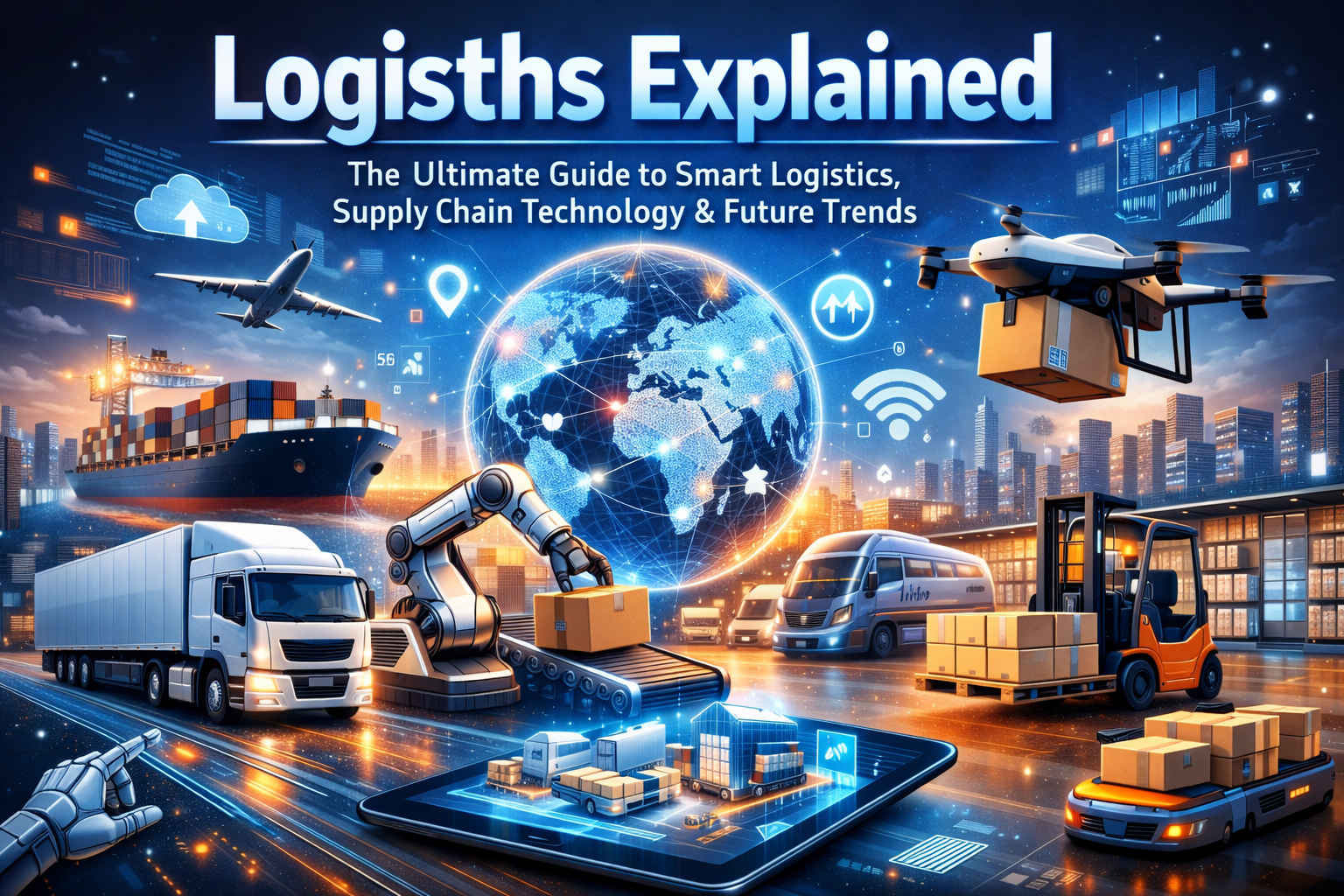
In an era where supply chain disruptions are common and customers demand faster deliveries, businesses are turning to advanced logistics systems that go beyond traditional practices. This is where Logisths enters the conversation — a new term that blends logistics with technology systems to describe a modern, intelligent, data-driven approach to managing the flow of goods, services, and information globally. It is not simply about moving goods from point A to point B — it’s about orchestrating an entire ecosystem that connects suppliers, carriers, warehouses, and customers through smart technology.
From AI-based demand forecasting to real-time inventory monitoring and blockchain-enabled traceability, Logisths signals a new age of logistics management where adaptability, transparency, and speed define competitive advantage.
What Is Logisths?
Simple Definition of Logisths
At its core, Logisths refers to the integration of advanced technologies — such as artificial intelligence (AI), the Internet of Things (IoT), blockchain, and automation — with conventional logistics functions to create an intelligent and interconnected supply chain platform. Unlike traditional logistics that relies on manual planning and reactive decision-making, Logisths focuses on proactive, automated, and real-time operations powered by data.
Logisths vs Traditional Logistics
Traditional logistics centers around manual coordination of transport, warehousing, and inventory. Logisths, on the other hand, uses smart technologies to enable:
- Predictive decision-making
- Automated route optimization
- Real-time visibility of assets
- Intelligent inventory management
This shift makes supply chains more resilient and responsive to unforeseen changes.
Why the Term Logisths Is Gaining Global Attention
With global supply chains becoming more complex and fragmented — thanks to e-commerce, international trade, and demand volatility — businesses need systems that offer visibility from the source to the customer. Logisths meets this need by merging digital technology with logistical operations, setting a new standard for efficiency and scalability.
The Origins and Evolution of Logisths
Early Logistics Systems and Manual Operations
Logistics in its early form was largely manual, dependent on paperwork, face-to-face coordination, and scheduled deliveries. Warehouses and transport services operated in silos with limited communication.
Digital Transformation of Logistics
The introduction of enterprise resource planning (ERP) systems brought digital record keeping to logistics, but early systems lacked predictive insights and real-time responsiveness.
The Emergence of Smart and Intelligent Logisths
As digital transformation matured, AI, IoT sensors, and cloud platforms started reshaping logistics processes. Real-time tracking and decision support systems became possible, bridging information gaps between stakeholders.
Today’s Logisths ecosystem uses these advancements to automate tasks, forecast demand, and adapt to disruptions — enabling businesses to respond quickly to change rather than react late.
Why Logisths Matters in Modern Business and Daily Life
Role of Logisths in Global Trade
Logisths supports the global economy by enabling efficient transportation and distribution across continents. The global logistics market was valued at approximately $9.1 trillion in 2022, driven by rising demand for efficient global trade.
Impact on E-commerce and Fast Deliveries
E-commerce continues to drive demand for logistics innovations. Online retail accounts for a significant share of global retail activity, and fast delivery expectations are reshaping how logistics operations must perform. Real-time order tracking and automated fulfillment help companies meet these new standards.
How Logisths Improves Customer Experience
By enhancing delivery accuracy, shortening delivery times, and providing transparent order tracking, Logisths significantly boosts customer satisfaction — a key advantage in competitive markets.
Core Components of Logisths Operations
Logisths integrates several foundational logistics components:
Transportation and Goods Movement
Efficient transport planning ensures goods are moved cost-effectively using optimized routes, transit monitoring, and vehicle management tools.
Warehousing and Storage Management
Smart warehouses equipped with automation and robotics boost accuracy and speed in handling goods, reducing manual errors and turnaround times.
Inventory Planning and Demand Forecasting
Using predictive analytics, Logisths systems forecast demand more accurately, helping companies maintain optimal stock levels and prevent stockouts.
Order Processing and Fulfillment Systems
Order fulfillment — from picking to packing to shipping — benefits from automation, reducing both time and labor costs.
Information Flow and Coordination
Seamless data flow between stakeholders, powered by cloud computing and digital platforms, ensures consistent communication and visibility across the supply chain.
Core Technologies Powering Logisths
Artificial Intelligence and Machine Learning
AI plays a central role in analyzing large datasets, enabling logistics providers to improve forecasting, route optimization, and decision-making. Companies using AI systems report reductions in logistics costs and improvements in service levels.
Internet of Things (IoT) and Real-Time Tracking
IoT devices — including GPS trackers and sensors — allow real-time tracking of shipments and conditions (such as temperature and humidity) throughout the delivery chain. This level of visibility dramatically reduces uncertainty.
Blockchain for Transparency and Trust
Blockchain ensures immutable records of supply chain transactions, reducing fraud, increasing traceability, and fostering trust between partners.
Automation, Robotics, and Smart Warehouses
Automation uses robotics and autonomous systems to manage repetitive tasks in warehouses and fulfillment centers, enhancing speed and reducing human error.
Cloud Computing and Data Analytics
Cloud platforms support real-time data sharing, collaboration, and advanced analytics, essential for scalable and adaptive Logisths systems.
Key Benefits of Logisths for Businesses
End-to-End Supply Chain Visibility
Logisths provides real-time visibility of goods — from suppliers to end customers — enabling faster decision-making and better risk mitigation.
Cost Reduction and Operational Efficiency
By optimizing transport, inventory, and labor, businesses see significant cost savings. Warehouse automation alone can improve efficiency by up to 30%.
Scalability and Flexibility
Logisths tools scale to match demand and business growth, enabling companies to adapt without costly infrastructure changes.
Risk Management and Supply Chain Resilience
Predictive analytics and real-time monitoring help companies anticipate disruptions and plan contingencies.
Competitive Advantage in Fast-Moving Markets
By adopting Logisths practices, companies position themselves to respond rapidly to market shifts, outperform rivals, and retain customer loyalty.
Sustainability and Green Logisths
Corporate responsibility now includes minimizing environmental impact. Sustainable Logisths strategies include:
- Route optimization to reduce fuel consumption
- Integration of electric vehicles
- Smart packaging to lower waste
Logistics contributes significantly to global emissions, and sustainability practices help reduce this burden while cutting costs.
Real-World Use Cases and Industry Applications of Logisths
Logisths in E-commerce and Retail
Major e-commerce companies use predictive inventory placement and automated fulfillment to deliver products faster and more accurately.
Logisths in Manufacturing and Automotive
IoT tracking and data analytics ensure components move efficiently across global supplier networks.
Logisths in Healthcare and Pharmaceuticals
Temperature-controlled logistics and real-time monitoring ensure the safe distribution of sensitive products like vaccines.
Logisths in Food and Cold Chain Logistics
Cold chain logistics are essential for perishable goods, using IoT sensors and predictive routing to maintain quality.
Logisths vs Supply Chain Management
While often used interchangeably, logistics focuses on execution (storage, transport), whereas supply chain management covers the full network — from suppliers to manufacturers to consumers. Strong Logisths strengthens overall supply chain performance by ensuring timely and efficient operations.
Challenges in Adopting Logisths
Despite benefits, adoption challenges include:
High Implementation Costs
Advanced technology investments are expensive — especially for smaller companies.
Integration with Legacy Systems
Existing systems may not easily integrate with modern platforms.
Workforce Training and Change Management
Staff must adapt to new tools, which requires training and cultural change.
Data Security and Cyber Risks
More connectivity increases exposure to cybersecurity risks, necessitating robust protections.
Regulatory and Compliance Issues
Different regions have varying regulations around data use, shipment documentation, and product traceability.
Future Trends and Innovations in Logisths
Autonomous Vehicles and Drone Deliveries
Autonomous transport and drone systems promise to speed last-mile delivery and reduce human labor dependence.
AI-Driven Predictive Logistics
AI will advance forecasting and optimization further, enhancing decision quality.
Hyperlocal Warehousing and Micro-Fulfillment
Urban micro-fulfillment centers close to consumers will support quick deliveries.
5G, Connectivity, and Smart Networks
5G will enhance data exchange between devices, improving responsiveness.
Fully Autonomous Supply Chains
Eventually, integrated systems may anticipate disruption and reconfigure operations automatically.
Career Opportunities in the Logisths Industry
The rise of Logisths creates various career paths:
- Logistics engineers
- AI integration specialists
- Supply chain analysts
- Warehouse automation technicians
Education and certifications in data science, logistics technology, and analytics are increasingly valuable as companies seek talent that can operate at the intersection of tech and logistics.
Why Businesses Must Invest in Logisths Today
To stay competitive, reduce costs, and adapt to customer expectations, companies must invest in digital logistics solutions. Efficient Logisths is no longer optional; it’s a strategic necessity.
Conclusion – Why Logisths Is the Future of Logistics
Logisths represents the future of logistics — one that is connected, intelligent, and data-driven. By harnessing technologies like AI, IoT, blockchain, and automation, today’s businesses can deliver faster, operate more sustainably, and build resilience against global disruptions. As the global logistics market continues to expand — driven by e-commerce, sustainability practices, and technological adoption — Logisths will play a defining role in shaping how goods move in a connected world.
Frequently Asked Questions (FAQs)
What is Logisths in simple terms?
Logisths is a modern logistics approach that uses smart technologies like AI and IoT to optimize supply chain operations, improve visibility, and enable faster, more efficient deliveries.
How is Logisths different from traditional logistics?
Traditional logistics relies on manual planning and siloed systems, while Logisths leverages advanced technology for real-time automation and predictive decision-making.
Is Logisths suitable for small businesses?
Yes, scalable Logisths platforms and cloud-based tools are increasingly accessible to small and medium enterprises (SMEs), helping them compete with larger companies.
Which industries benefit most from Logisths?
Industries like e-commerce, retail, manufacturing, healthcare, and food distribution benefit significantly from Logisths due to the need for timely and efficient movement of goods.
Is Logisths a trend or a long-term solution?
Logisths is a long-term solution that will continue evolving as technology advances and supply chains demand greater efficiency, resilience, and customer satisfaction.
ALSO READ: Pasonet Explained: Payment Gateway vs EdTech Platform (Features, Use Cases & Future)