
Introduction
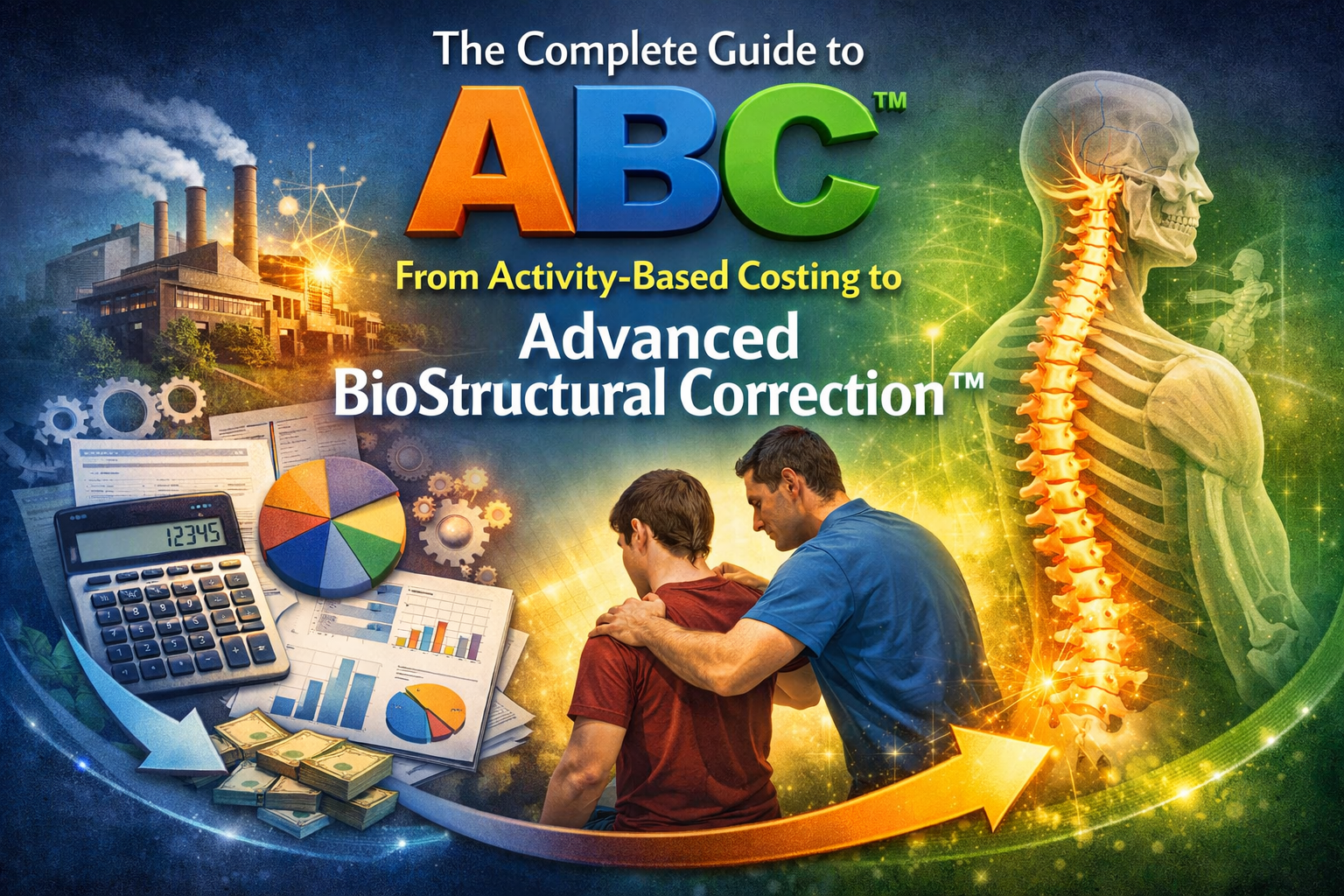
In a world driven by data, efficiency, and human wellbeing, the term ABCTM is gaining traction across multiple industries — but it doesn’t mean just one thing. Depending on the context, ABCTM can refer to advanced accounting and technology management, sales psychology, healthcare therapy models, or even a specialized chiropractic method. This article explores every interpretation in depth, explaining what ABCTM is, why it matters, how it’s used, and how it can benefit businesses, practitioners, and individuals alike.
1. What Is ABCTM? A Complete Overview
At its core, ABCTM is a multi‑context acronym that can denote various frameworks:
- In business and technology, it often refers to the integration of Activity‑Based Costing (ABC) with Technology Management (TM) — an approach for tracking real costs tied to organizational activities and tech usage.
- In marketing and sales, ABCTM can be associated with principles like “Always Be Closing”, emphasizing consistent engagement throughout the customer journey.
- In mental healthcare, ABCTM may refer to the Applied Behavioral and Cognitive Therapy Model, focusing on practical cognitive‑behavioral strategies.
- In chiropractic care, ABCTM (or ABC™) stands for Advanced BioStructural Correction™, a technique aimed at correcting structural bodily alignment for long‑term health benefits.
This diversity may seem confusing, but across all uses, ABCTM centers on efficiency, clarity, and meaningful outcomes — whether financial, behavioral, structural, or therapeutic.
2. The Multiple Meanings of ABCTM
2.1 ABCTM in Business: Activity‑Based Costing and Technology Management
In business contexts, ABCTM is not a standard textbook term, but a practical hybrid concept that brings together:
- Activity‑Based Costing (ABC) — a method of associating costs with actual business activities rather than broad budget categories.
- Technology Management (TM) — the process of planning, monitoring, and optimizing an organization’s technology assets so they support strategic goals.
This combination helps leaders identify where money is truly being spent, not just where it appears to be spent on paper.
2.2 ABCTM in Marketing: Always Be Closing (Sales & Engagement)
In sales and advertising, ABCTM sometimes echoes the “Always Be Closing” mantra — a philosophy that sales teams should maintain momentum at every stage of the funnel. This approach emphasizes:
- ongoing communication with leads
- personalized messaging to target audiences
- maximizing conversions at each interaction step
Across digital platforms, consistent engagement — supported by data analytics — enables companies to refine outreach and nurture leads into long‑term customers.
2.3 ABCTM in Technology: Action‑Based Cognitive Training Model
As businesses embrace artificial intelligence (AI) and automation, ABCTM also emerges as an Action‑Based Cognitive Training Model, which aims to train AI systems using real‑world decision frameworks. In this usage:
- machine learning is taught to interpret data and make decisions more like humans
- algorithms learn through activity simulation rather than static datasets
- automation becomes adaptable, not just transactional
This iteration of ABCTM enhances machine intelligence by focusing on adaptive behavior and real‑time decision logic.
2.4 ABCTM in Healthcare: Applied Behavioral and Cognitive Therapy Model
In mental health settings, ABCTM can stand for an Applied Behavioral and Cognitive Therapy Model — an approach blending behavioral modification techniques with cognitive reframing to improve emotional wellbeing, including:
- identifying maladaptive thoughts
- practicing real‑world coping strategies
- using technology (like teletherapy) to extend reach
This variant prioritizes patient engagement and practical change in daily life.
2.5 ABCTM in Chiropractic: Advanced BioStructural Correction™
Finally, in physical healthcare, ABCTM (often seen as ABC™) stands for Advanced BioStructural Correction™, a chiropractic system focused on correcting deep structural imbalances. Unlike traditional adjustments that aim mainly for symptom relief, ABC™ seeks lasting change by addressing the mechanical root causes of postural dysfunction.
3. ABCTM in Business and Technology
3.1 Core Principles of Activity‑Based Costing (ABC)
Activity‑Based Costing (ABC) provides businesses with a detailed picture of where costs originate by:
- identifying individual business activities
- grouping them into cost pools
- using cost drivers (like machine hours, labor time, software usage)
- assigning activity costs to specific products, services, or tech functions
This kind of granular cost attribution contrasts sharply with traditional methods that spread overhead evenly, often obscuring real cost drivers.
Key ABC concepts include:
- Activities: discrete tasks or processes within the organization
- Cost pools: groupings of related costs
- Cost drivers: measurable units that reflect activity consumption
- Cost objects: products, services, or departments that receive cost allocations
By tracing costs this way, ABC reveals inefficiencies that traditional costing might mask.
3.2 How Technology Management Aligns With Cost Optimization
When ABC is paired with Technology Management (TM):
- costs such as cloud services, software licenses, and IT labor hours are linked to actual usage
- tech decisions align more directly with business outcomes
- organizations can uncover unused software subscriptions, redundant tools, and under‑performing automation
In a technology‑intensive business, this visibility enables smarter budgeting, better negotiations with vendors, and strategic tech investment.
3.3 Tracking Software, IT, and Operational Costs
Modern organizations spend significant portions of their budget on tech — Gartner estimated worldwide IT spending exceeded $4.4 trillion in 2024 (preliminary data) — making accurate cost allocation vital. An ABCTM‑like approach ensures companies don’t assign technology expenses to vague overhead but tie them to activities that produce value.
Examples include:
- tracing cloud storage costs to customer onboarding systems
- allocating software development hours to specific product features
- tagging AI usage by project, department, or ROI contribution
This not only reveals wasteful spending but also reinforces value‑driven investment decisions.
3.4 Applying ABCTM to Software Development and AI Projects
Software development environments benefit when cost tracking focuses on activity level:
- identifying whether bug fixes or feature work consumes more budget
- understanding sprint productivity relative to actual business value
- applying ABC insights to automate repetitive or low‑value tasks
Managers can then prioritize high‑ROI features and allocate staff time effectively.
3.5 Benefits of ABCTM for Businesses
When properly implemented, combining ABC with effective technology oversight yields measurable benefits:
1. Improved Operational Efficiency
Resource use becomes transparent, waste disappears, and bottlenecks are easier to identify.
2. Better Financial Visibility
Instead of relying on averages, financial teams can see real cost drivers.
3. Enhanced Decision‑Making
Executives have credible data to justify investments or discontinue low‑value activities.
4. ABCTM in Marketing and Advertising
4.1 Understanding “Always Be Closing” (Sales & Engagement)
In sales psychology, ABCTM reflects the mindset that every customer touchpoint is an opportunity to advance the conversion journey. While it doesn’t mean aggressive selling, it means:
- nurturing leads consistently
- personalizing messaging
- tracking engagement metrics to refine tactics
Engagement tools like CRM platforms help modern marketers implement this philosophy at scale.
4.2 Lead Nurturing and Customer Engagement Strategies
To realize ABCTM in marketing:
- segment audiences based on behavior
- employ email automation triggered by engagement
- use social platforms to build real‑time interactions
Platforms such as HubSpot, Salesforce, and Mailchimp make this scalable for businesses of all sizes.
4.3 Personalized Campaigns and Data‑Driven Marketing
Data enables tailored campaigns that resonate with specific individuals. ABCTM marketing strategies often feature:
- dynamic content that adapts to user behavior
- retargeting tactics that follow customers across touchpoints
- measurement of micro‑conversions (like newsletter signups or gated content downloads)
These techniques help brands optimize every stage of the funnel.
5. ABCTM in Healthcare and Therapy
5.1 The Applied Behavioral and Cognitive Therapy Model
In mental healthcare, ABCTM may describe a model that integrates behavioral and cognitive frameworks to improve emotional regulation and thought patterns. Rooted in cognitive‑behavioral therapy (CBT), this version emphasizes:
- identifying negative thinking patterns
- reshaping beliefs with structured exercises
- encouraging active client participation
Studies have repeatedly shown that CBT and related models are effective for anxiety and depression management.
5.2 Practical Exercises and Patient Participation
Examples include:
- thought‑record exercises
- exposure practices for phobia reduction
- technology‑assisted homework (apps, video sessions)
This helps clients translate insights into real‑world behavior change.
6. ABCTM in Chiropractic Care
6.1 What Is Advanced BioStructural Correction™ (ABC™)?
In chiropractic practices, Advanced BioStructural Correction™ (ABC™) is a technique that focuses on restoring structural balance in the body, rather than just alleviating symptoms.
Unlike traditional chiropractic adjustments that often rely on high‑velocity thrusts, ABC™ considers:
- how the body compensates over time
- deep postural imbalances
- the nervous system’s role in structural dysfunction
Practitioners observe movement patterns, skeletal alignment, and chronic compensation strategies to guide corrective measures.
6.2 How ABC™ Differs From Traditional Chiropractic
Traditional chiropractic care often provides immediate relief through joint manipulation. ABC™, on the other hand:
- emphasizes long‑term structural change
- uses specific protocols targeted at root causes
- encourages progressive realignment rather than quick fixes
Many patients report improved posture, easier movement, and reduced reliance on pain medication.
6.3 Potential Benefits of ABC™ Care
Reported benefits include:
- deeper and longer‑lasting posture correction
- enhanced balance and movement coordination
- reduced muscular tension
- potential improvements in respiratory and nervous system function
Because the nervous system receives signals from spinal alignment, structural changes may support broader health outcomes.
7. Comparing ABCTM Approaches Across Fields
While the fields differ radically, ABCTM approaches share a few core themes:
| Domain | Focus | Core Outcome |
| Business & Tech | Cost accuracy & strategic tech use | Better resource allocation |
| Marketing & Sales | Consistent engagement | Higher conversion rates |
| Mental Health | Real‑world cognitive adjustments | Better psychological wellbeing |
| Chiropractic | Structural balance | Long‑term functional health |
Each domain uses the ABCTM concept to create clarity, alignment, and measurable improvement.
8. Who Should Use ABCTM?
Businesses and Technology Leaders
Companies with complex operations benefit most from ABC‑style cost insights and tech transparency.
Startups and Small Enterprises
Small firms can use ABCTM thinking to avoid hidden costs and prioritize lean tools and workflows.
Marketers and Sales Professionals
Those focused on engagement and conversion can use ABCTM principles to refine communication strategies.
Healthcare Providers
Mental health clinicians and therapists can adopt cognitive‑behavioral routines to enhance client outcomes.
People Seeking Structural Health
Individuals with chronic musculoskeletal issues may explore ABC™ chiropractic care for deeper realignment.
9. Common Misconceptions About ABCTM
It’s Too Complicated
While ABC and TM integration requires systematic tracking, modern software simplifies data capture and analytics.
Only Large Corporations Can Use It
Even small businesses see benefits when they track real costs and eliminate inefficiencies.
ABCTM Is Just for Accounting or Sales
In reality, it’s a framework for understanding value creation, not just budget spreadsheets or sales slogans.
ABC™ Chiropractic Is Like Traditional Adjustment
ABC™ is distinct — focusing on addressing root causes rather than temporary symptom relief.
10. Future Trends and Innovations in ABCTM
AI and Predictive Cost Modeling
As AI tools advance, manual costing systems evolve into predictive models that can estimate future resource needs.
Automation and Real‑Time Cost Tracking
Cloud billing and real‑time analytics allow companies to monitor activity costs minute‑by‑minute.
Digital Therapy Platforms
Teletherapy and therapeutic apps expand access to cognitive‑behavioral techniques globally.
Biomechanical Imaging in Structural Health
Emerging imaging technologies will allow more precise ABC™ chiropractic interventions.
11. How to Implement ABCTM in Your Industry
Step‑by‑Step for Businesses
- Map all major activities that consume resources
- Identify cost drivers associated with each
- Classify technology usage by actual value contribution
- Use software to collect and analyze data
- Align budgets with measurable outcomes
For Marketers
- Segment audiences
- Personalize cross‑channel messaging
- Monitor engagement metrics
For Healthcare & Therapy
- Standardize cognitive exercises
- Track client progress
- Integrate digital tools for homework and participation
For Chiropractic Practices
- Use assessments to identify structural imbalances
- Educate patients about posture habits
- Measure outcomes over time
12. Frequently Asked Questions (FAQ)
What does ABCTM stand for?
It can mean Activity‑Based Costing and Technology Management, Always Be Closing, Applied Behavioral and Cognitive Therapy Model, or Advanced BioStructural Correction™ depending on context.
Is ABCTM relevant for small businesses?
Yes — even basic activity cost tracking can reveal hidden inefficiencies.
Is ABC™ chiropractic safe for all ages?
Many practitioners adapt techniques to suit different patients, but it’s best to consult a licensed provider.
Can ABCTM improve ROI in tech investment?
By tying technology spend to real business outcomes, companies can make more informed decisions.
13. Conclusion
ABCTM is a versatile framework that transcends industries — from deep cost accounting to therapy and structural health. By understanding the nuances of each interpretation, professionals can harness ABCTM to increase clarity, enhance outcomes, and drive meaningful improvement.
Whether you’re a business leader seeking competitive advantage, a marketer optimizing conversion, a therapist helping clients change patterns, or someone looking for lasting physical wellbeing, ABCTM offers tools and insights that are actionable and valuable. As industries evolve, the importance of integrated thinking — like ABCTM — will only continue to grow.
ALSO READ: Seekde: Meaning, Uses, and Why People Are Searching for It